Cat Weight – Is My Cat Underweight or Overweight

Cat weight, what is normal?

There are several possible causes of weight loss or gain in cats, including medical conditions and overfeeding/underfeeding.

As the cause can be caused by a disease or dietary, it is important that you seek the advice of your veterinarian to determine the cause. The vet will do a complete physical examination, obtain a medical history from you, ask questions about diet, what food, how much, how often, and possibly take blood and urine samples for testing.

Read more

Zyrtec (Cetirizine) For Cats

Zyrtec for cats
  • Drug Name: Cetirizine HCI
  • Common names: Zyrtec, Reactine
  • Drug Type: Second-generation antihistamine
  • Used For: Pruritis (itching) associated with hives, insect bite reactions, atopic dermatitis and eosinophilic granuloma complex
  • Species: Humans, cats, dogs, horses
  • Administered: Tablet

What is Zyrtec?

Zyrtec (cetirizine) is a second-generation antihistamine that can treat allergy-related symptoms in cats. Antihistamines work by blocking the effects of histamine on certain cells within the body. When a cat has an allergic response, mast cells and basophils release histamine which binds to cells containing H1 receptors. Four types of receptors have been identified so far.

  • H1 – Located in the smooth muscles, lining of blood vessels and airways.
  • H2 – Found in the stomach cells and stimulates the secretion of stomach acid.
  • H3 – Located in the neurons of the brain, influences neurotransmission.
  • H4 – Found in the bone marrow and white blood cells, responsible for immune response.

Effects of histamine on the cat's body

Read more

Scabs from Miliary Dermatitis in Cats

Miliary dermatitis

What is miliary dermatitis?

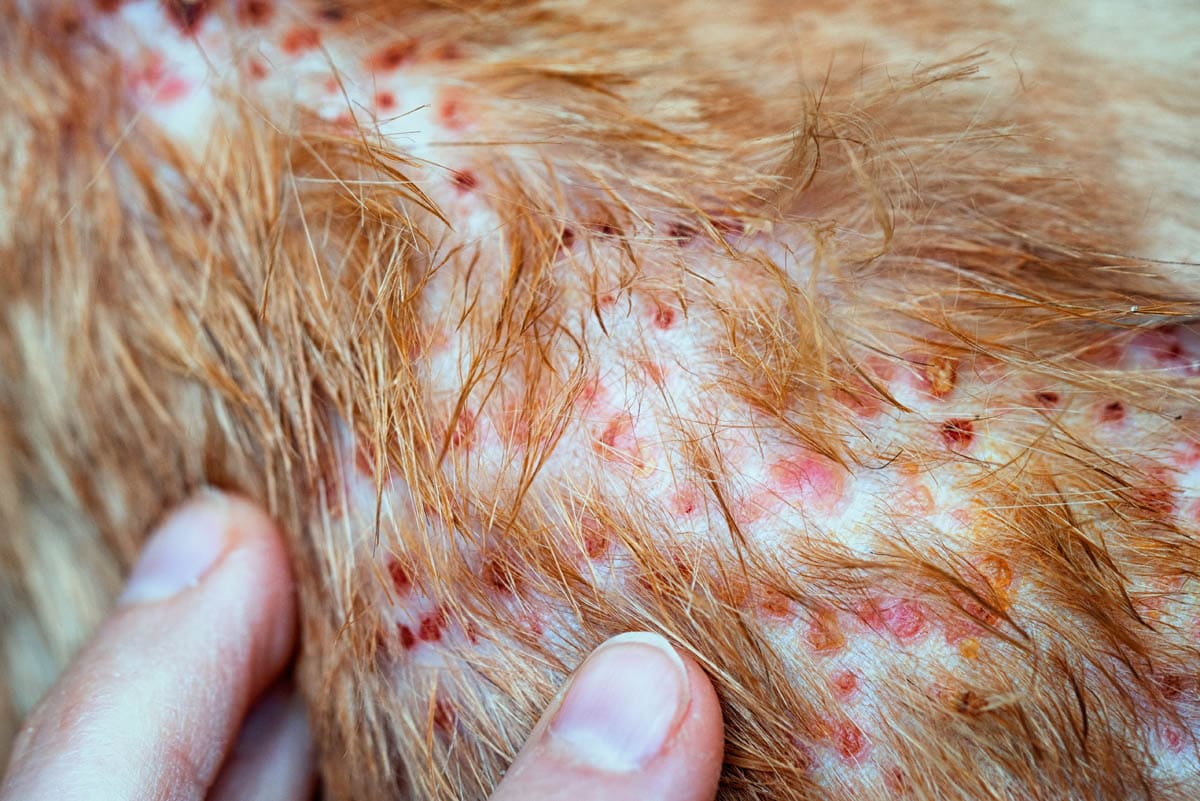
Also called miliary eczema, papulocrusting dermatitis or scabby cat disease, miliary dermatitis is a collection of crusty skin lesions or scabs around the head, neck and back along with intense itching. It isn’t a specific disease but a disease complex. The term miliary refers to the millet-like papules on the skin which feels similar to millet seeds.

Read more

Cat Claw Disorders

Cat claw disorders

A cat’s claws are an amazing part of the anatomy which performs several important functions. Located at the end of each toe, the claws help the cat climb, balance, grip prey, defend against attacks from other animals and protect the toes (digits).

The claws are continually growing, with the outermost layer sloughing off every few weeks to make way for a newer, sharper claw.

Read more

Quick Guide to Tapeworm Treatments for Cats

Tapeworm in cats

Product/active ingredients Type/Frequency of dosage Parasites Treated Notes Drontal (Praziquantel and Pyrantel) Tablets. Tapeworm, roundworm and hookworm. Can be used on pregnant and lactating cats and kittens over 8 weeks. Aristopet (Praziquantel  and Pyrantel) Tablets. Roundworm, hookworm and tapeworm. 8 weeks old. Can be used on pregnant and lactating females. Droncit (praziquantel) Tablets or injection … Read more

Kitten Vaccination Schedule

Kitten vaccination schedule

Vaccinations are a way of preventing disease by introducing a weakened or killed form of the disease-causing organism. This stimulates an immune response which helps prevent the animal (or human) from developing the full-blown disease should it be exposed to the pathogen in the future. The most common vaccination in the cat is known as F3 or FCRVP; this is commonly referred to as F3 and is a core vaccine.

Read more

Bladder Infection in Cats

Bladder infection in cats

What is a bladder infection?

A bladder infection is an infection of the bladder, a hollow organ in the abdomen which collects and stores urine. Cystitis is the inflammation or infection of the bladder, so you may see cystitis, bacterial cystitis OR urinary tract infection used in place of or in conjunction with a bladder infection. Most cases of cystitis are idiopathic, which means the cause can not be determined. Bacterial infection of the cat’s bladder is less common in cats than it is in dogs. E. coli is the most common bacteria to infect the bladder.

There are different types of UTI depending on the location of the infection.

  • Cystitis – Infection of the bladder
  • Urethritis – Infection of the urethra
  • Pyelonephritis – Infection of the kidneys

Bladder infections are thought to develop when bacteria around the anus ascend into the urethra and the bladder.

Read more

Secondary Poisoning in Cats

Secondary poisoning in cats

What is secondary poisoning?

Also known as relay toxicity, secondary poisoning occurs when a cat eats an animal that has itself ingested a poison. The most common form of secondary poisoning in cats is when they eat a rat or mouse which has eaten rodenticide. Secondary poisoning can also occur when cats consume prey such as rabbits who have been poisoned with 1080 (sodium fluoroacetate).

Read more

Scabs on Cat’s Neck

Scabs on cat neck

Cats are often afflicted with scabs, which can cause them discomfort and itchiness. The itching that often accompanies scabs and sores leads to rubbing and scratching, which causes further damage, as well as the potential to develop a secondary bacterial infection.

Scabs may be small and numerous, large and singular or a combination of both. The neck may be the only affected area or scabs and crusting may be more widespread. Remember, itching is common, but not always present.

Read more