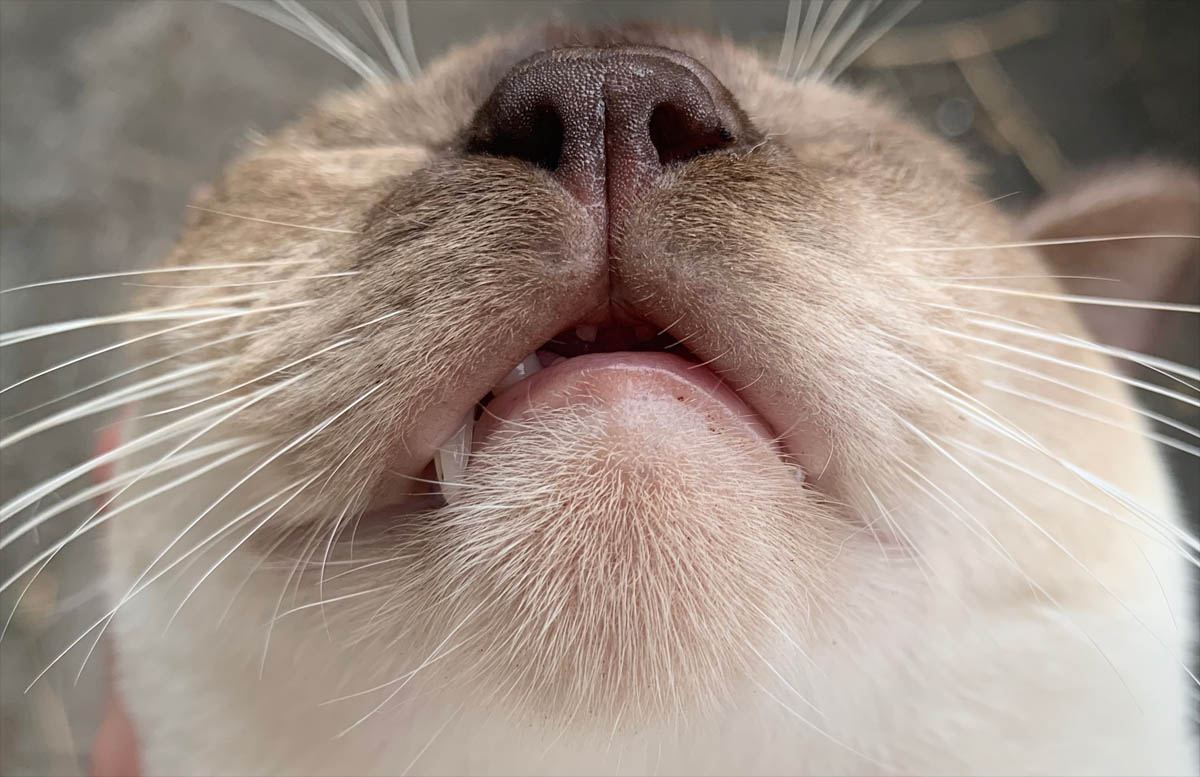
Lumps under the cat’s chin may include bumps, masses and swelling along the jawline or underneath the lips. More than one lump may develop in some cats.
Most lumps under the chin are harmless, however, some can be potentially serious.
Feline acne
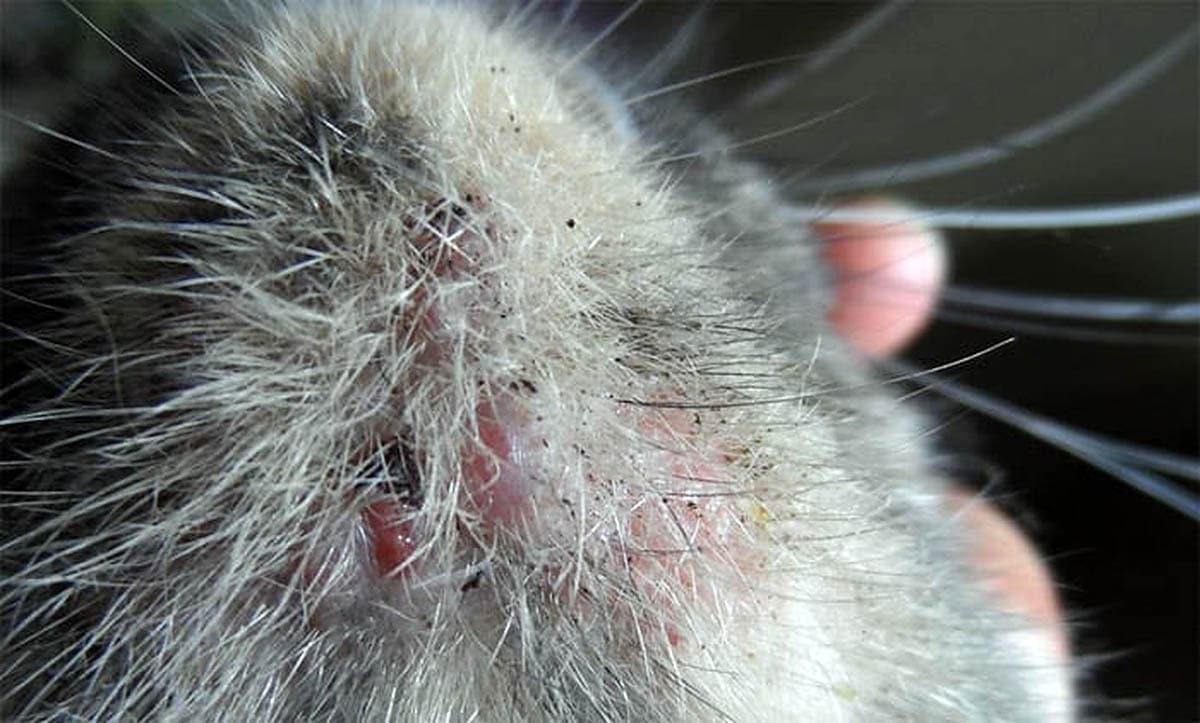
The most common cause of chin swelling in cats is feline acne. Blackheads and swelling on the chin and lips are the most obvious symptoms, with inflammation and swelling. There are many possible causes which include the use of plastic water bowls, poor grooming, overactive sebaceous glands and hormonal imbalances.
Treatment:
Owners can switch to metal or ceramic food bowls and wash frequently. Clean the chin area with antibacterial soap or iodine (Betadine) diluted to the colour of weak tea. Severe cases will require cleansing the skin with an ointment or gel containing benzoyl peroxide (such as OxyDex) or chlorhexidine. Topical steroids may be necessary to reduce inflammation and oral antibiotics if the area has become infected.
Insect bite or sting
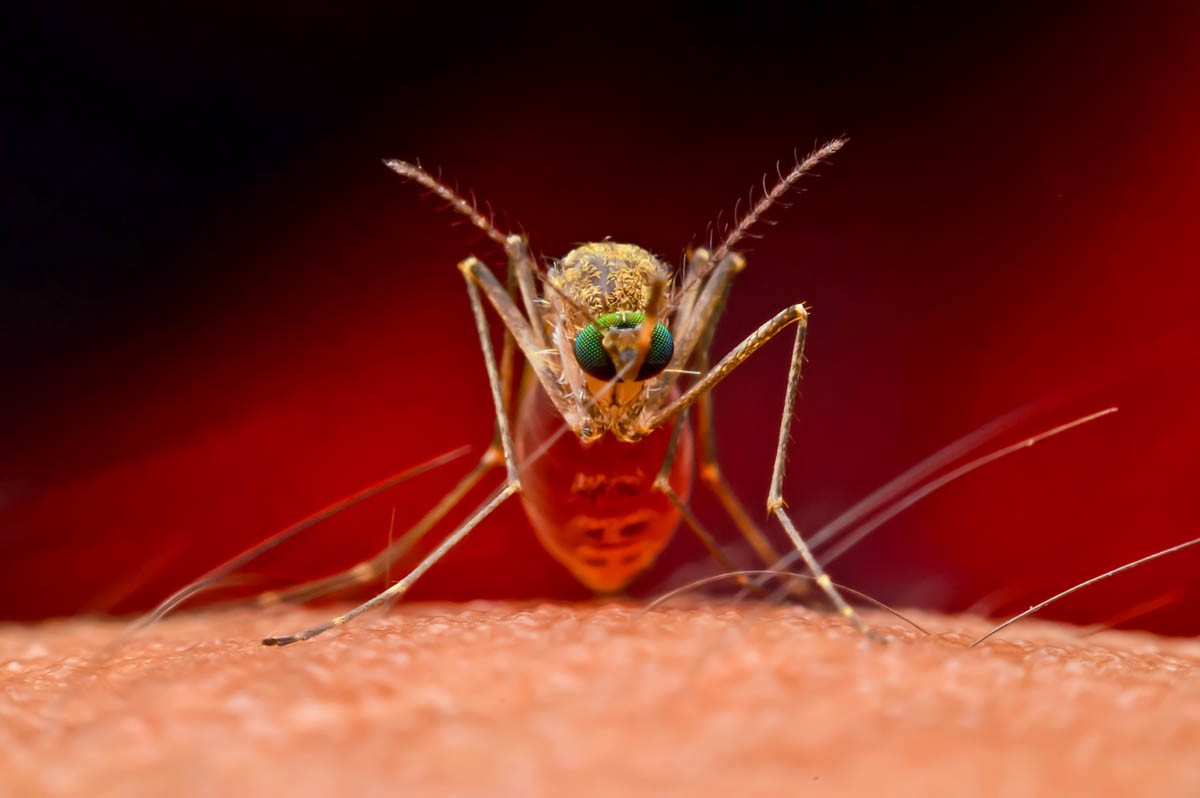
Ant bites, spider bites, and bee stings are the most common bites and stings in cats causing localised swelling, itching and pain.
Treatment:
In most cases, this will resolve itself within a few hours, but you may choose to give your cat some Benadryl (diphenhydramine hydrochloride) or other anti-histamines, which can help to reduce inflammation and itching.
Abscess
A localised collection of pus, which can be caused by a cat bite. Abscesses can occur on any part of the body, but the head, limbs, and back, near the base of the tail, are the most common areas.
An abscess will form a firm, painful lump that feels hot to the touch. Other symptoms may include fever and loss of appetite. Eventually, the abscess will open up, with a foul-smelling liquid discharge coming from the wound.
Treatment:
A veterinarian will need to lance the abscess, flush it with sterile saline and administer antibiotics, pain relief and anti inflammatories. Your cat may need to wear a buster collar, to prevent them from licking the lesion as it heals.
Oral cancer
The most common oral cancer to develop in cats is squamous cell carcinoma, this cancer is particularly invasive, often spreading to surrounding bones and tissues. Other symptoms of oral cancer include a lump in the mouth, loose teeth, bad breath, difficulty eating and drooling.
Treatment:
Oral cancer can be hard to treat due to the speed at which it invades surrounding tissue, early diagnosis offers the best prospect. Surgical removal if the cancer is located in the lower front jaw, chemotherapy and/or radiotherapy are also treatment options. Sadly though, prognosis is poor and only 10% of cats diagnosed with squamous cell carcinoma will live one year past diagnosis.
Dental abscess
A dental abscess occurs when bacteria invade the gums or tooth roots. Common symptoms are a reluctance to eat, bad breath, swelling, loose teeth, and fever. There may be a swelling on the cheek.
Treatment:
Removal of the affected tooth, drain the abscess and flush with sterile saline and a course of oral antibiotics and pain relief. Cats should be offered soft food that is easy to eat. Any draining tracts should be cleaned regularly with saline.
Eosinophilic granuloma complex
A condition characterised by the presence of skin lesions that can occur on many parts of the body including the face and chin (known as fat chin syndrome). There is a high suspicion that food allergies, flea and mosquito bite allergies are the cause.
Treatment:
Avoidance of allergens, if known. This may include switching to a hypoallergenic diet and strict flea control. Cats are also given steroids to reduce inflammation. Your vet will likely issue a medicated wash, to use on the surface of the lesions. To avoid any rubbing or scratching, a buster collar may be worn.
Author
-
by
-