While I was in practice, I would see cats with diarrhea every few weeks. Sometimes a loose stool was the only symptom owners saw. I soon learned there are a variety of reasons cats can have runny poop when they’re acting normally or when they seem fine. In this article, you will learn about the top causes of mild diarrhea in cats, how you can help your cat at home with simple home remedies, and when to call your vet.
Is it common for a cat with diarrhea to act normal or look fine?
While diarrhea in cats may have accompanying symptoms, it is common for a kitty to have soft stools and act completely normal. Usually, this type of digestive upset will resolve itself in a day or two. Possible reasons for runny poop that’s short-lived include:
- Stress or anxiety (e.g. a trip to the vet or trip in the car)
- An abrupt change in diet
- Dietary indiscretion (eating something they should not have)
- Over-indulging
- A recent flea or worm medicine
- Toxins
If my cat shows no other symptoms, do I even need to be concerned about diarrhea?
A one-time incident with no other signs means there’s no need to panic. It may be due to a normal fluctuation or a minor digestive upset. However, watch your kitty’s litter box and bathroom behaviors.
If diarrhea continues beyond a few days (48 hours) or becomes more severe, call your veterinarian to investigate the underlying cause. Signs of severe diarrhea include:
- Pooping 5 or more times a day
- Watery stool
- Mucus or bloody stools
- Green or yellow poop
- Ongoing diarrhea that persists over 48 hours (24 hours for kittens and geriatric cats)
- Intermittent diarrhea that continues beyond 1-2 weeks
Another reason to be concerned is if your kitty has a medical condition or recently started a new medication. If this happens, contact your veterinarian for their advice. Any time you bloody diarrhea, or your cat is also vomiting, call the clinic for advice.
Important things to consider when your cat has diarrhea
If your cat has diarrhea, evaluate the circumstances in your home.
- Have there been any recent changes in diet or stressful events?
- Did your kitty eat something out of the ordinary?
- Does your cat have any known medical issues?
Additionally, evaluate the color and consistency of your cat’s poop.
Color
The color of the feces may point to different conditions.
- Mucus in the poop often means your kitty has inflammation in the large intestine or intestinal parasites.
- Fresh blood (red poop) may point to anal gland issues or bleeding in the lower digestive tract.
- A dark, tarry stool then there’s probably bleeding in the stomach or small intestine (digested blood).
- Green poop can mean your cat is eating lots of grass or has gallbladder disease.
- Yellow diarrhea is not uncommon, as the bile pigment is more prevalent when feces move quickly through the gut and there is less time for digestion. Uncommonly, it might signal an emergency and can be due to liver disease, hemolytic anemia, or zinc poisoning. These cats would generally have other obvious symptoms of being unwell e.g. lethargy, jaundice and vomiting.
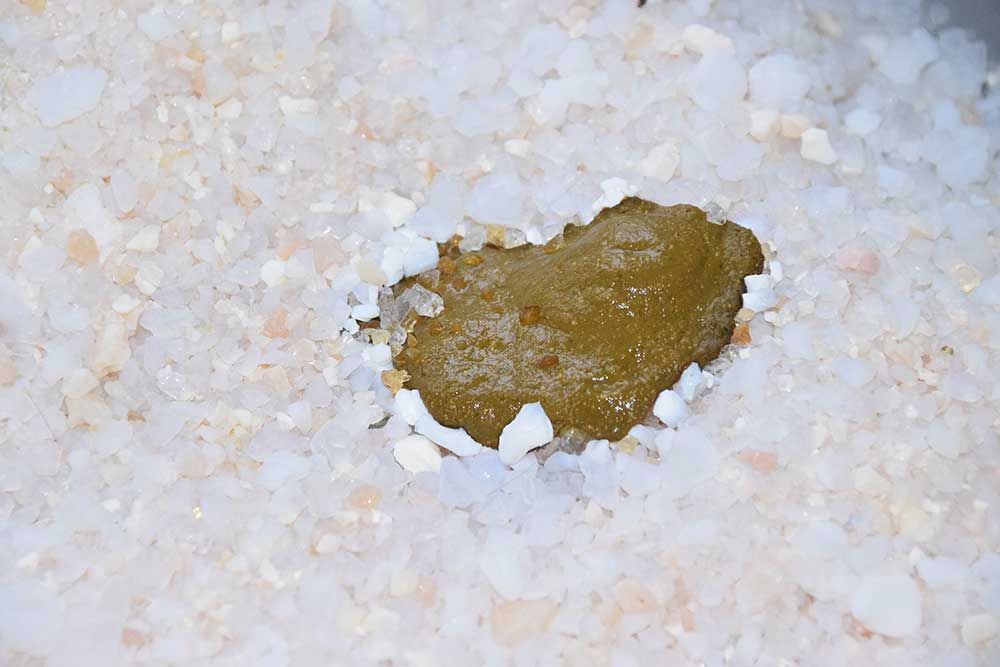
Consistency
The consistency of the diarrhea is also helpful for diagnosis, but should not be relied upon
- Runny or watery diarrhea may mean your kitty has an infection or a food intolerance.
- Chunky diarrhea can point to a malabsorption problem.
One more thing you should consider is how long your cat’s diarrhea lasts. Minor digestive upsets usually self-correct in a day or two. If runny stools persist beyond 48 hours (24 for very young, elderly, or diseased cats), it’s time to contact your veterinarian.
Can my cat recover from diarrhea without veterinary treatment?
If your cat has a mild case of diarrhea, she will often recover without veterinary treatment (read our next section listing top home remedies to help your cat). When you notice a runny stool, observe her to see if she’s active and behaving normally. As long as she’s active, eating and drinking, it’s a good sign.
You can also check her gums if she lets you open her mouth. Pale gums may mean your kitty has anemia, and tacky/sticky gums can indicate dehydration. If you see either sign, contact your veterinarian. Additionally, call the clinic if diarrhea continues longer than about 48 hours.
Home remedies to help stop your cat’s diarrhea
1. Don’t withhold food
In the past, fasting was the first step to treating diarrhea, but that’s no longer the case. Unless your kitty is also vomiting, it’s best to continue providing healthy nutrition that supports gut healing.
2. Feed your cat small meals
Feed your kitty multiple (4 a day) small meals of readily digestible food. Low-fat ingredients with moderate to high fiber and lean proteins can help to firm your cat’s poop. Read our article about bland diets for cats with diarrhea.
3. Provide ample, fresh water
Diarrhea means your cat isn’t absorbing fluid from the digestive contents, and this can lead to dehydration. Make sure you provide a constant supply of fresh water so your kitty can replenish lost liquids. It is also useful to offer rehydration solutions or cat soups alongside water.
4. Rest your cat
Similar to humans, cats heal most when their body is at rest. While your feline is recovering from diarrhea, it’s best to let him rest. Don’t tempt your kitty to play and don’t disturb him when he’s sleeping. However, monitor how much your furry friend needs to sleep. Extreme lethargy can be a sign of a more serious condition.
Read our article about bland diets for cats with diarrhea.
Typical recovery time and prognosis
Cats can make a full recovery from diarrhea. If there’s a chronic condition, it may be something that can be managed with medications and diet. Most cases of diarrhea will resolve in 24-48 hours.
What are the most likely causes if my cat has diarrhea but is acting normal?
There can be many medical conditions causing diarrhea in cats (even if your cat is acting normal). Let’s review them here so that you know what might be going on with your cat, what to do, and when to call your veterinarian.
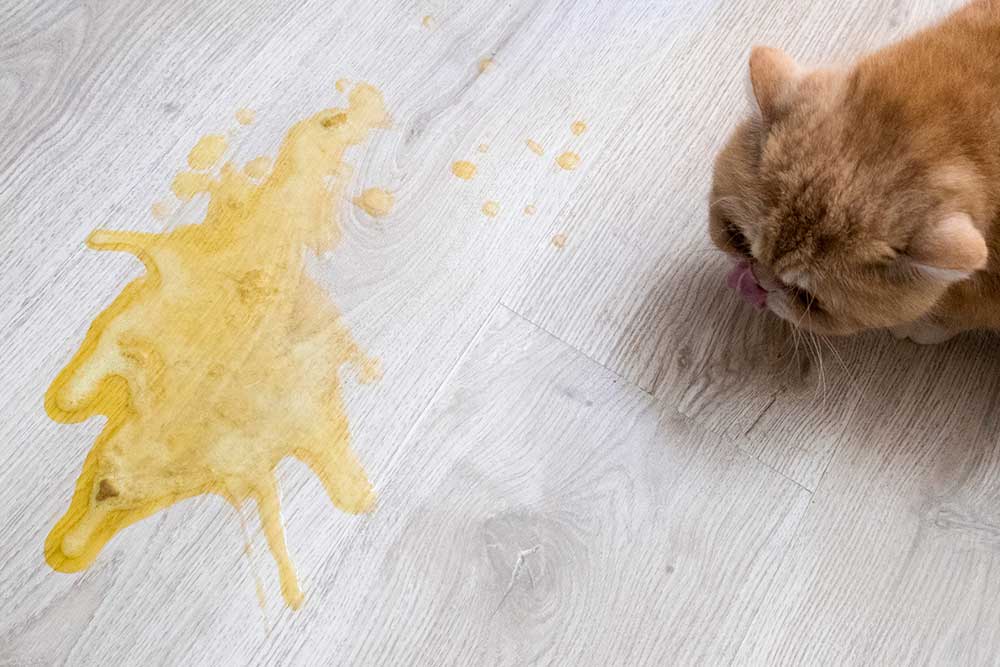
There are several potential causes of diarrhea in cats. Let’s look at the most common reasons your cat can have runny stools and acts normally or seems fine.
1. Stress or anxiety
Cats are sensitive creatures, and stressful events can trigger the release of hormones that interfere with the digestive process. As a result, your feline fur baby may have a short-term case of diarrhea. If your kitty has diarrhea but is acting normal, ask yourself if there have been any recent events like:
- A recent move
- A new baby or pet
- Unfamiliar guests in the house
- Sudden changes in schedule
- A neighbor cat moving into your cat’s territory
- Loud sounds like fireworks
- Different litter or a new litter box
2. Change in Diet
If you recently changed cat food, your kitty’s system may need to adjust to the new nutrient profile. The stool may be softer than usual for a few days. This is a common cause of diarrhea in otherwise normal cats. To prevent severe reactions, it’s best to transition diets gradually over 3-4 days.
3. Dietary indiscretion
Cats are usually discriminating eaters, but they can occasionally eat spoiled food or garbage. Ingesting these substances can trigger digestive upset and cause diarrhea. Temporary soft stools are not a cause of concern. Make sure you cover your garbage and replace any spoiled food with fresh materials.
4. Food sensitivity
If your cat has ongoing diarrhea, and your veterinarian can’t find a diagnosis, there may be a food sensitivity. Other symptoms can include bloating, gas, vomiting and itchy skin. Proteins are the most common ingredients that trigger sensitivities. Some of the most common food allergens include chicken, beef, dairy, grains and soya. To stop diarrhea, attempt to find the offending ingredient and avoid feeding it to your cat.
Drug or toxin
Many potential toxins for cats can trigger diarrhea. If your cat ingests human medications, antifreeze, chocolate, and foods like onions or garlic, they can develop diarrhea. It can be mild or severe depending on what and how much your kitty ate. With any toxin ingestion, contact your vet right away to determine if treatment is needed. For most toxins, time is of the essence when it comes to treatment.
5. Foreign object
Curious cats occasionally eat objects like string, thread, paper, or elastic. Initial signs can include diarrhea.
Foreign bodies may pass through the tract, but sometimes they get caught in the intestines and cause a blockage. Intestinal obstructions can be life-threatening. When this happens, your kitty will show other signs like:
- Anorexia
- Vomiting
- Dehydration
- Weakness
- Depression
- Abdominal pain
- Watery diarrhea
- Subnormal body temperature
If you notice these symptoms, contact your veterinarian as soon as possible. This condition will require surgical correction.

6. Gastrointestinal parasites
Sometimes cats with diarrhea that act otherwise well will have a mild case of intestinal parasites. Roundworms and hookworms are usually the culprits. When they infest your kitty, they interfere with absorption and cause diarrhea.
If parasites persist, the infestation can cause additional symptoms like a dull coat, weight loss, and increased appetite. Your veterinarian can diagnose a parasitic infection by conducting a fecal examination. Most parasite infestations are easily treated with the appropriate anthelmintic medication.
7. Gastrointestinal infection
A range of bacteria and viruses can interfere with the digestive process. If fluid absorption is affected, your cat will have diarrhea. Gastrointestinal infections usually come on suddenly and can persist for 1-2 weeks or more, depending on the microbe.
Mild infections may only cause runny poop. These are often self-limiting. However, if diarrhea lasts several days, your cat can suffer dehydration. Schedule an appointment with your vet to diagnose the cause of the infection and get antimicrobial treatment and supportive care as appropriate.
8. Feline hyperthyroidism
With feline hyperthyroidism, cats have an overactive thyroid gland. This causes an increased rate of metabolism, and digestive materials pass through the intestines more quickly. The result is less fluid absorption and diarrhea.
Usually, diarrhea precedes other symptoms. If your cat has hyperthyroidism, you may also notice:
- Increased appetite
- Weight loss
- Aggression
- Hyperactivity
- Muscle wastage
- Vomiting
To diagnose hyperthyroidism, your veterinarian will run specific blood tests. This condition is serious but can often be managed medically or surgically.
9. Other metabolic conditions
Hyperthyroidism isn’t the only condition that can cause hyperthyroidism. Other diseases like diabetes, kidney disease, and liver disease cause nutrient imbalances and toxin build up that can trigger diarrhea. With these conditions, you may notice other symptoms such as excessive thirst, lethargy, vomiting, and increased urination.
10. Irritable bowel disease
Irritable bowel disease often means chronic diarrhea in cats. The root cause can be hard to diagnose, but results in chronic inflammation in the intestines. As the cells in the intestinal wall become inflamed, they lose the ability to absorb water from the intestines, thus causing diarrhea. Triggers can include food allergies, infections and parasites. This is a chronic condition that’s difficult to treat.
What other symptoms are commonly seen in cats with diarrhea?
Even if your cat seems fine, you should keep an eye for these other symptoms:
- Loss of appetite
- Blood or mucus in the poop
- Weight loss
- Flatulence or bloating
- Frequent defecation
- Increased thirst
- Pooping outside the litter box
Read our article about bland diets for cats with diarrhea.
How your vet can help with diarrhea and how much it may cost
Diagnose the cause of diarrhea
When you bring your cat in for diarrhea, the vet will examine your kitty and may run a series of tests to diagnose the cause. Depending on the initial findings, tests may include:
- Fecal flotation and exam
- Fecal cultures
- Bloodwork
- Abdominal scan
- Endoscopic exam and/or biopsies
- Food allergy blood tests or an elimination diet
Treat diarrhea and underlying causes
Depending on the diagnosis, your veterinarian may prescribe medications to deal with the underlying cause and resolve the runny stools.
- Bland diet and small meals – Your cat’s doctor will probably recommend feeding a bland, low-fat diet and several small meals a day to promote gut healing.
- Deworming medications – If the veterinarian finds intestinal parasites or your cat’s worming is overdue, he’ll treat your kitty with anthelmintics to kill any worms.
- Anti-inflammatory medications – Depending on the cause of diarrhea, treatment may include an anti-inflammatory agent like metronidazole or prednisolone.
- Probiotics – Probiotics may be prescribed to restore healthy bacteria in the gut. Studies have shown that they can decrease the duration of an acute bout of diarrhea.
- Fluids – If your cat suffers from dehydration because of diarrhea, your veterinarian may need to administer fluids.
- Other medications – Cats with metabolic conditions like diabetes, kidney disease, or liver disease will receive additional treatments to address the underlying cause of diarrhea.
Cost of treatment
The cost to diagnose and treat your kitty’s diarrhea can range from about $100-300, depending on the severity of the condition and the underlying reason your cat has loose stools. Those who require imaging and/or biopsies will have higher bills.
Most medications for acute cases of diarrhea run about $20-50. For long-term cases, the cost can be around $20-100 per month.
What you should know before the veterinary appointment
When you schedule an appointment with your vet to evaluate diarrhea in your cat, plan to bring a stool sample for evaluation, if your cat has had chronic diarrhea. Ideally this would be a sample caught each day for 3 days in a row (a 3 day pooled sample). Your doctor will want to know if there have been any recent changes to your kitty’s routine and what they’ve been eating lately. Be prepared to provide a thorough history and consider bringing along photos of the stool if you do not have a sample.
FAQ
How long will it take my cat to recover from diarrhea?
A mild case of diarrhea usually resolves in about 24-48 hours.
What’s the number one thing I should do if my cat has diarrhea and is acting normal?
If your cat has diarrhea with no other symptoms, consider increasing dietary fiber and feeding multiple small meals. It’s best to offer a bland diet that allows the gut to rest and heal.
Should I fast my cat if he has diarrhea?
As long as your cat isn’t vomiting, you don’t need to fast your cat. Feeding small, frequent meals that are bland helps to ensure your kitty is getting the nutrition her body needs to promote healing.
Can I give my cat Imodium for diarrhea?
Imodium (Loperamide) may be safe to give to some cat but must be used with care. Consult with your veterinarian first.
Can I give my cat Pepto Bismol for diarrhea?
Pepto Bismol, aka Bismuth Subsalicylate, is not safe for cats. It contains a derivative of aspirin, which is dangerous to cats. The medicine is also not likely to be palatable to most kitties.
Read our article about bland diets for cats with diarrhea.
Authors
-
by
-
-