At a glanceScabs on a cat’s ears (ear edge dermatitis) is a common condition in which the cat develops crusting along the ear margins. Causes can range from scabies to ear mites, sunburns or allergies. Treatment will be aimed at the underlying cause. |
About ear scabs & ear dermatitis
Also known as pinnae, the outer (visible) part of the cat’s ear is susceptible to developing thickening, crusting, ulceration, alopecia, and scaling which are collectively referred to as ear edge dermatitis or ear margin dermatitis.
How do you know if your cat needs treatment?
For a few minor scabs that do not seem to bother your cat, you may choose to take a ‘wait and see’ approach, as it is possible they’ll resolve without intervention.
However, it is prudent to book a check-up if your cat has extensive scabbing, if they’re intensely itchy or if there is evidence of further disease such as an ear infection or generalized mange.
What is the recovery of ear dermatitis like for cats?
Ear dermatitis is a frustrating and sometimes painful condition in cats. However, once the underlying cause is identified and controlled, the prognosis is excellent. To avoid thickening and scarring of the ear, it is important to pursue treatment promptly. Delaying treatment can result in chronic and resistant infections, which prove tricky to shift.
Should I see a veterinarian for the scabs on my cat’s ears?
Yes, if your cat develops scabbing on their ears, it is always prudent to make an appointment for them with their veterinarian. Even if the scabs are a result of trauma, your cat may need antibiotics and pain medications to aid in their healing.
Most Likely Causes
There are several causes of crusty, scaly ears in cats and the most common causes include scabies, ear mites, allergies and sunburn. Crusty ear margins may be the only symptom your cat has, or you may notice other signs such as skin disease, itching, ear discharge and head shaking. Common causes of ear scabbing include:
- Ear mites
- Ear infection (bacterial or fungal)
- Flea allergy
- Sunburn or Solar dermatitis
- Frostbite (in very cold countries when cats are outside)
- Pemphigus
- Allergies (environmental or food)
- Squamous cell carcinoma
- Ringworm (a fungal infection)
- Mites: Sarcoptic, Demodex or Notoedric
- Insect bite hypersensitivity
- Lupus
List of most likely causes (with pictures):
1) Ear mites
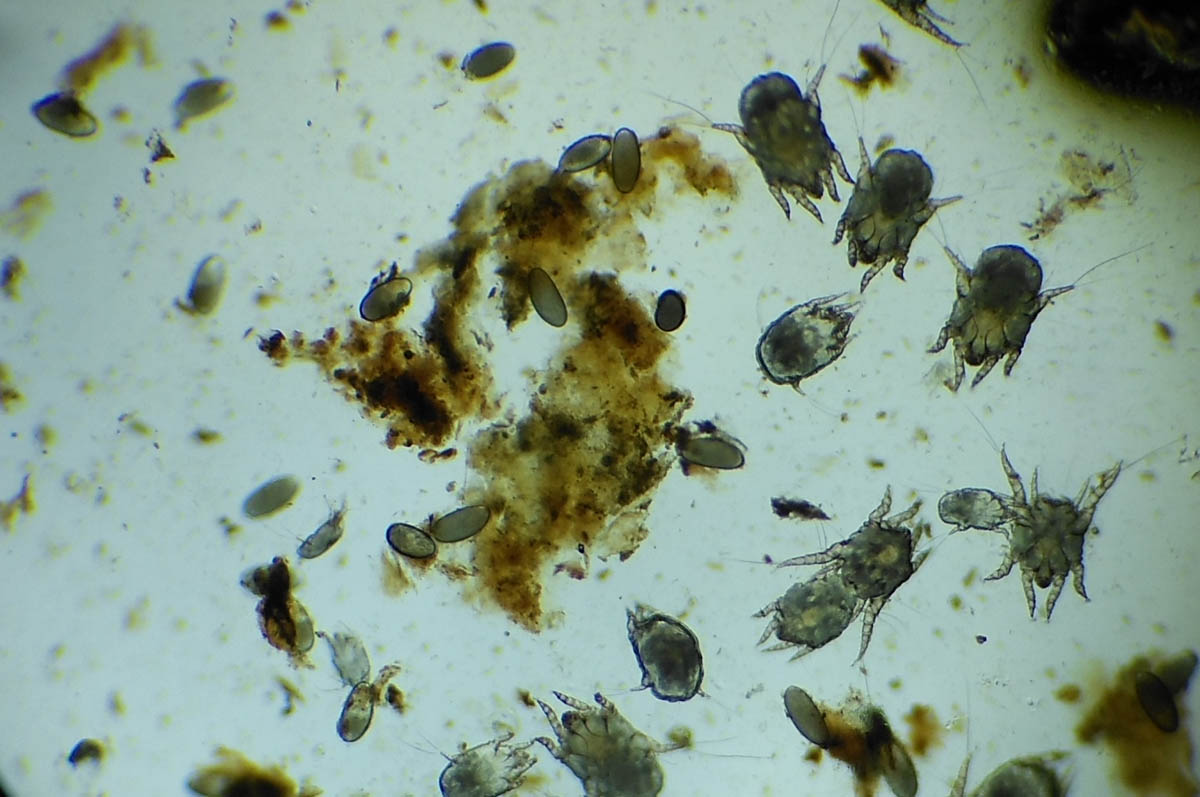
Ear mites (Odotectes Cynotis) are a common parasitic mite that invade the ears and occurs in kittens most often.
Symptoms:
- Reddish-brown discharge from the ear which may have the appearance of coffee grounds
- Itching and scratching the ears
- Head shaking
- Ear twitching
- Ear odor
- Crusting and scaling of the ears
Diagnosis: Your veterinarian will prepare a swab of the material in the ear canal and examine it under a microscope to look for and identify the mites.
Treatment: The ears are first flushed and cleaned and then treated with a parasiticide. Ivermectin, milbemycin (MilbeMite), selamectin (Revolution), and imidacloprid (Advocate) can all effectively treat ear mites. Your veterinarian can recommend the best product for your cat.
2) Notoedric mange

Notoedric mange (feline scabies) is a rare parasitic infection caused by the Notoedres cati mite. This mite burrows into the cat’s skin, laying eggs along the way. Cats become infected by direct contact with another infected cat.
Symptoms:
- Intense itching and scratching
- Crusting, particularly along the ear margins this then progresses to the face, neck and other parts of the cat’s body
- Self-mutilation which can lead to redness, inflammation, and bacterial infection of the skin
Diagnosis: A skin scraping test uses a scalpel blade to gently scrape along the surface of the skin to look for the presence of mites or mite eggs.
Treatment: This mange may be treated with oral ivermectin or topical products such as Revolution.
3) Demodicosis
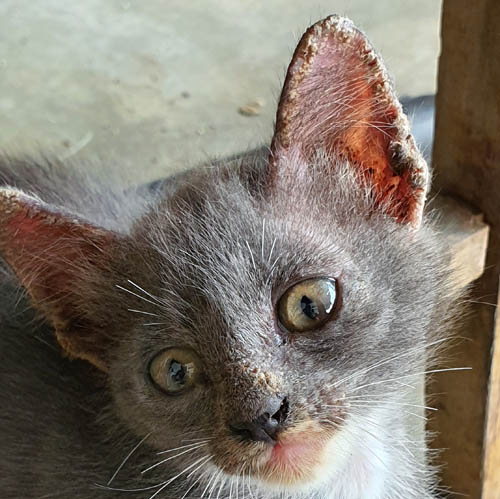
Demodicosis is an inflammatory skin disease in cats caused by the Demodex mite.
Symptoms:
- Single or multiple areas of hair loss with crusting and scaly-looking patches. The head, ears, and neck are the most commonly affected areas.
- Generalized demodicosis can affect the entire body as well as the head and ears.
- Waxy secretions in the ear
- Itching
Diagnosis: Deep skin scrapings and/or swabs from the ears are examined under a microscope to look for the presence of mites. With this mite, cats are not always itchy.
Treatment: The treatment for Demodex mites in cats depends on which mite the cat is infested with. Demodex cati is not contagious among cats but affects cats that have an underlying immune system dysfunction. Treatment is aimed at correcting the immunosuppression. Mites will be targeted with medications such as oral ivermectin and topical Revolution. In cats with Demodex gatoi, the mite is contagious and all cats in the household must be treated at the same time. The treatments for ridding the cats of the mite are the same as for Demodex cati, such as ivermectin and Revolution.
4) Sarcoptic mange
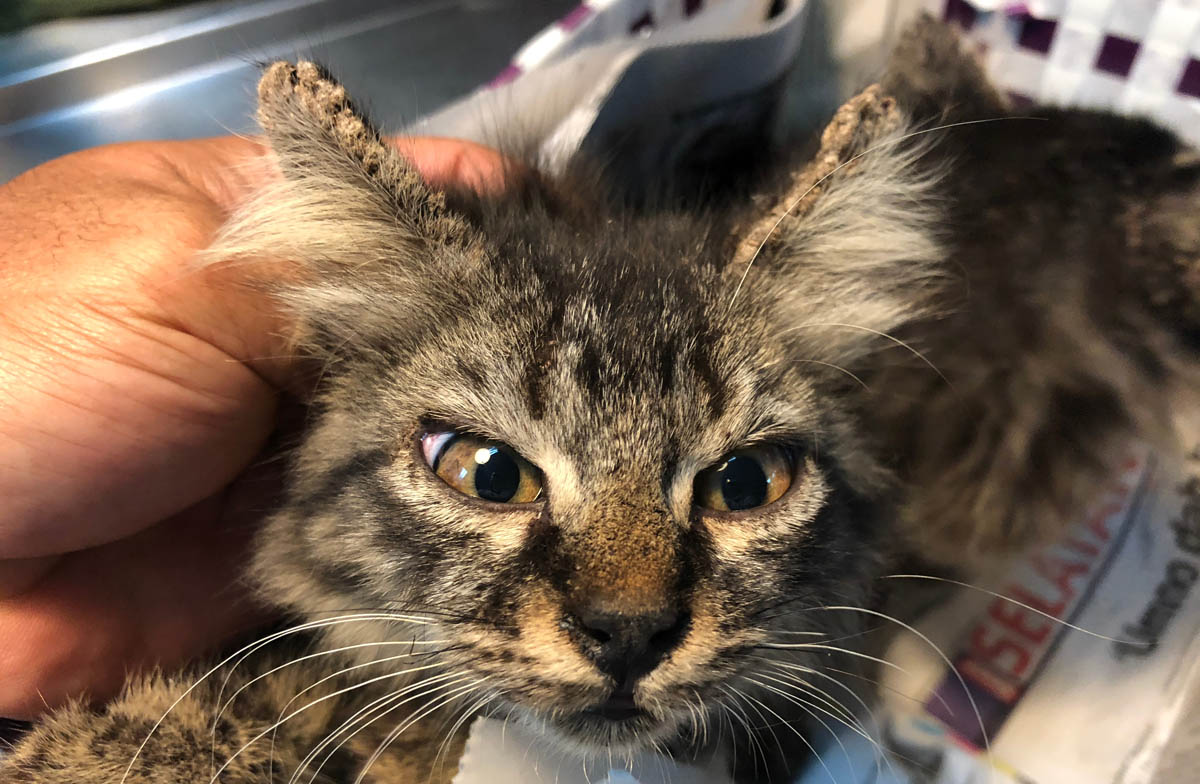
This type of mange is far more common in dogs than it is in cats. Caused by the parasitic mite Sarcoptes scabei, this mite most often affects kittens and cats living with dogs. The parasite is highly infectious and can live for several days off the host. This mite is also contagious to humans.
Symptoms:
- Small red pustules which burst open and cause thick crusty scabs, any part of the cat can be affected, but most commonly it is the ears, chest, and belly
- Intense itching and scratching
- Excessive scratching and licking of the affected area can result in damage to the skin and secondary infection
Diagnosis: Skin scraping, although it is not uncommon for a result to come back negative. Blood tests can also be performed to identify antibodies, or less commonly, a skin biopsy may be pursued.
Treatment: Ivermectin or Revolution will be administered to kill the mites.
5) Ringworm
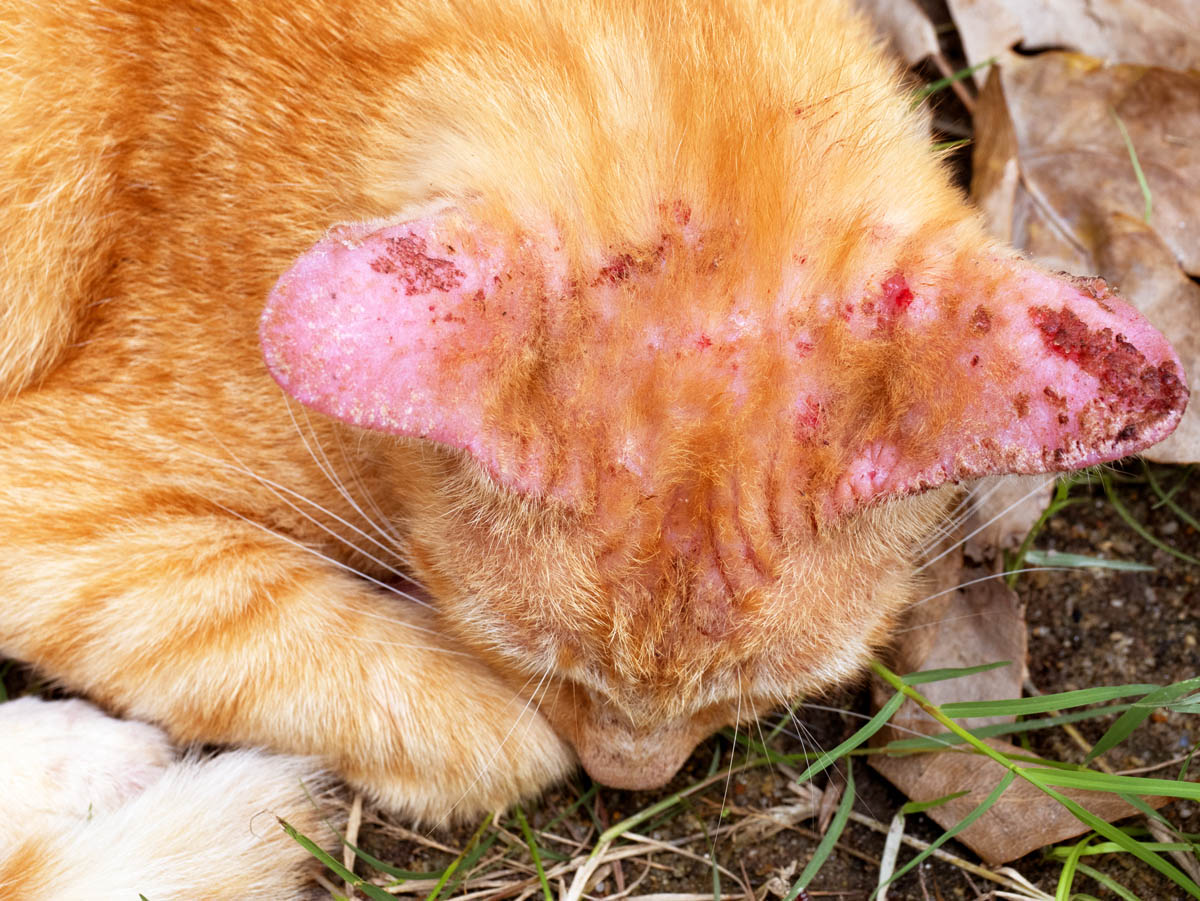
Ringworm in cats is a highly contagious, generally superficial fungal infection of the skin, fur, or claws that is caused by a fungus of the genus Microsporum and Trichophyton.
Infection occurs via direct contact with an infected animal or fungal spores, which are in the environment on objects, and may include grooming equipment, bedding, and collars.
Symptoms: Circular, raised patches of rough and scaly skin. Ringworm can occur on any part of the cat, including the ears. Typically, cats are not itchy. Kittens are by far the age group most affected.
Diagnosis: Wood’s lamp examination, skin scrapings, fungal culture, examination of hairs to look for the presence of fungal spores and fungal PCR may all be used by your veterinarian to confirm a diagnosis.
Treatment: Anti-fungal medications such as itraconazole and griseofulvin are given orally when disease is widespread. More minor infections may be treated with topical creams or washes. The environment must also be deep cleaned, to prevent re-infection.
6) Insect bite
Some cats can develop hypersensitivity to insect bites and mosquitoes are the most common culprit. However, any biting or stinging insect can produce a hypersensitivity. As your cat scratches, the ear can become further damaged, exposing the underlying layers to bacteria.
Symptoms:
- Crusting around the ear margins
- Pain
- Itching
- Localized swelling
- Redness
Diagnosis: The veterinarian can diagnose an insect bite based on presenting signs and history.
Treatment: Apply an ice pack, cortisone cream, and if itching/swelling is a problem, an antihistamine such as Benadryl can relieve symptoms. If the area has become infected, antibiotics may need to be prescribed. Always speak to your veterinarian before medicating your cat.
7) Sunburn
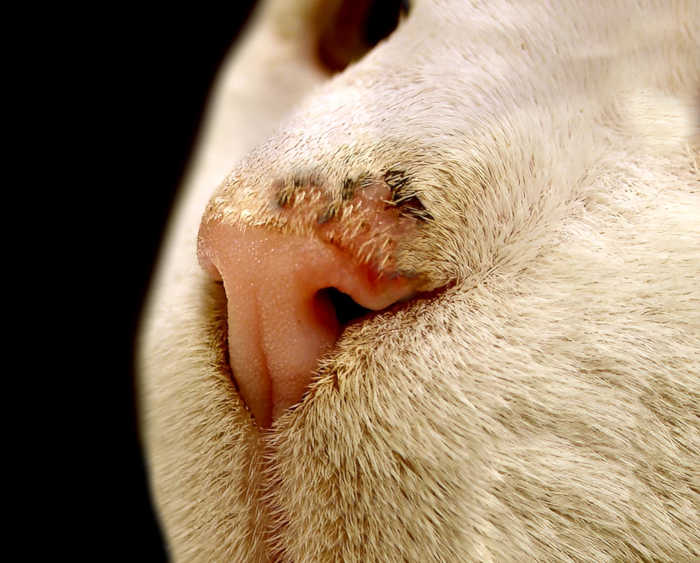
Sunburn can occur in cats, particularly those who have pale skin coloring (white cats). The ears and nose are most vulnerable as they have the least amount of hair. Prolonged exposure to the sun can lead to squamous cell carcinoma (see below).
Symptoms: Redness and itching, particularly around the ear margins. Over time, with repeated exposure, the skin can become thickened and crusty. Cats repeatedly exposed to the sun can go on to develop solar dermatitis, in which the skin has become chronically damaged. As each summer passes, the ears become progressively worse with scaling and thickening of the skin, itchiness, and ulceration.
Diagnosis: In most cases, the veterinarian can diagnose sunburn based on physical appearance and a history of sun exposure.
Treatment: Antibiotics and steroid cream, and limiting your cat’s exposure to the sun is the best preventative. Your veterinarian may recommend a topical sunscreen for your cat, but do not use sunscreens for humans unless your veterinarian has said it is safe to use. Many contain zinc, which is toxic to cats.
8) Squamous cell carcinoma
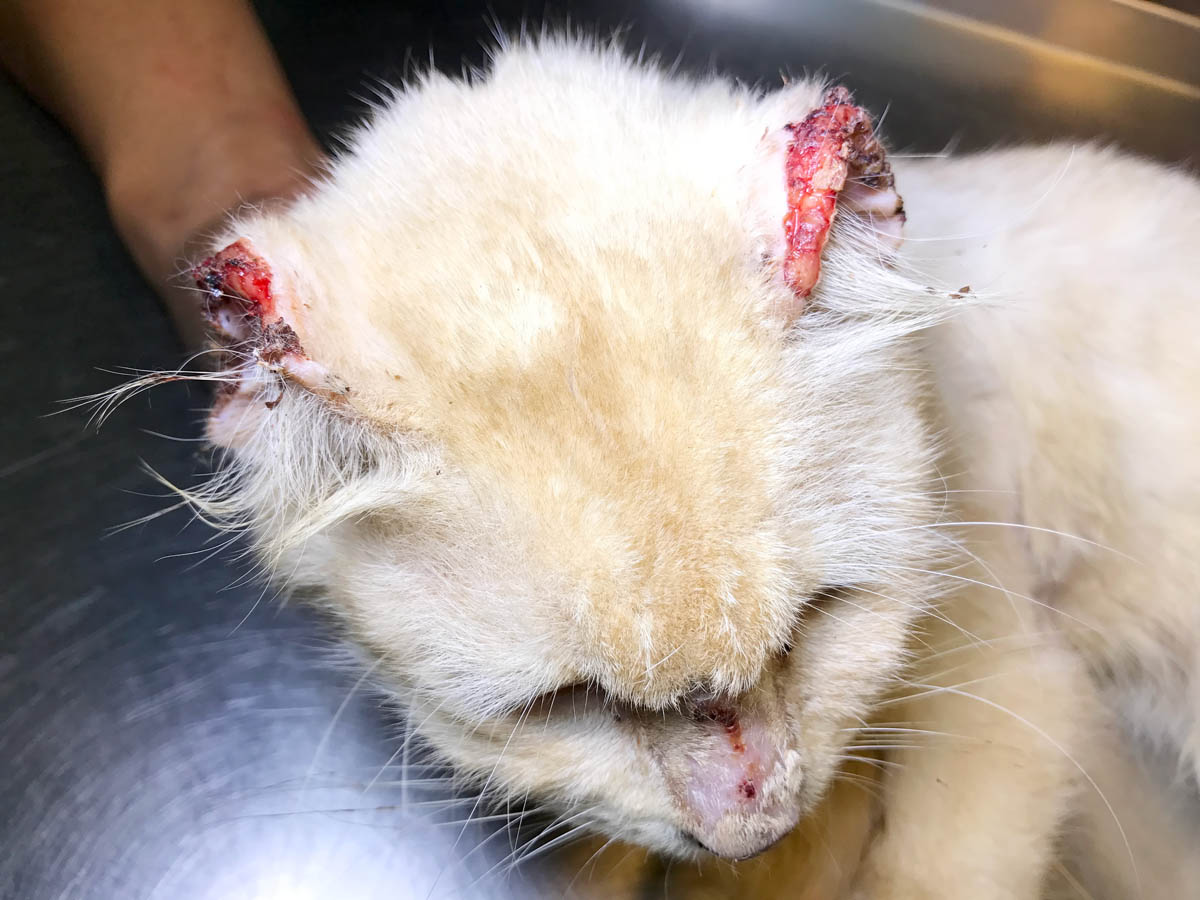
Squamous cell carcinoma is a malignant tumor of the skin, and one of the most common causes is excess exposure to the sun. Tumors can develop on any part of the body, but the ears, nose, mouth, and eyelids are the most common locations.
Symptoms:
- Red and crusted sores
- Bleeding ulcers that don’t heal
- Dried areas of skin around the growth
- Hair loss in the affected area
Diagnosis: A biopsy of the tumor must be performed to get a diagnosis.
Treatment: If the mass is resectable, surgery may be performed to remove the affected area (partial pinnectomy), followed by chemotherapy or radiation therapy. The sooner surgery can be performed, the better the prognosis. Antibiotics for secondary infections as well as pain medications will be prescribed.
9) Allergy
Several allergies can develop in cats with a wide range of symptoms. The most common are:
- Insect – The most common insect allergy is due to flea bites. Cats can develop an allergy to any insect bite, the most common (aside from fleas) is the mosquito. Signs of mosquito bites include a red and swollen pustule at the site of the bite as well as itching and possible crusting along the ear margins
- Contact – This type of allergy occurs when the cat comes into contact with an allergic substance such as plants, wool, medications (topical), soaps, detergents, etc. Signs of contact allergy include non-seasonal itching and scratching, rash, blisters, and papules. The affected areas usually include the ears, underbelly, chin, and paws.
- Inhalant – As the name suggests, inhalant allergy relates to allergens, which are inhaled, such as pollens, dust mites, and molds. Symptoms include red and crusty rash, especially around the head, ears, neck, and back, itching and scratching, and hair loss.
- Food – Cats can develop allergies to any kind of food, but the most common are fish, beef, dairy, and eggs. Many cats with food allergies develop facial itching, redness and scabs.
Diagnosis: Your vet will want to know all about your cat’s recent history, and if anything has recently changed in their home or diet, or if they’ve been exposed to anything new. A food elimination trial, which involves switching your cat to a novel food to see if symptoms improve and then re-introducing the suspect food to see if symptoms return, can be carried out when food allergies are suspected. IgE allergy blood test and skin prick tests can be used to identify food and environmental allergens. Skin prick tests performed by a veterinary dermatologist expose your cat to multiple common allergens by injecting a tiny amount under the skin to see if there is a reaction.
Treatment:
- Removal of the allergen where possible. This can mean feeding a hydrolyzed diet.
- Antihistamines and/or steroids to reduce inflammation and itching
- Medications used to modulate the hypersensitivity of the immune system
- Immunotherapy, in which your cat is exposed to minute amounts of the allergen to re-program the immune system. This is usually done with a course of injections
10) Pemphigus complex / autoimmune skin disorders
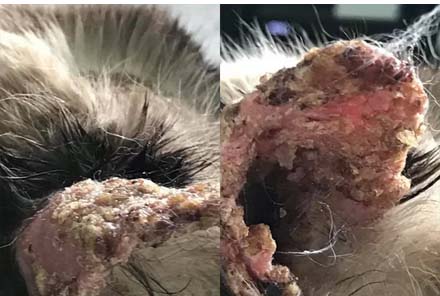
Autoimmune skin disorders are thankfully quite rare in cats, but pemphigus is the most common of them. The cause isn’t fully understood, but it is thought there may be a genetic component, and it could be related to exposure to sunlight or certain medications. There are three types of pemphigus (Foliaceus, Erythematosus and Vulgaris) in cats, ranging in severity.
Symptoms:
- Small red spots, hair loss, and blister-like vesicles eventually break open and form thick, yellow crusts. The condition starts around the eyes and nose before spreading to the ears, face, and other parts of the body
- Affected areas are itchy and painful
- Secondary bacterial infection may also develop
Diagnosis: Your veterinarian will perform a biopsy to diagnose the condition. Additionally, direct immunofluorescence can be run on the cat’s blood to look for antibodies.
Treatment: Immunosuppressive therapy which may include topical corticosteroids for mild cases or oral corticosteroids and other medicines for moderate to severe cases. The veterinarian will prescribe a high dose until remission is achieved, and the cat will then be tapered to a maintenance dose.
11) Systemic lupus erythematosus
A rare autoimmune disorder that can affect several different organ systems of the cat, including the skin. Systemic lupus erythematosus (SLE) is caused by the body producing antibodies against itself (known as autoantibodies) that attack various systems, one of which may include the skin.
Symptoms:
- Multifocal alopecia with crusty skin lesions, particularly around the ears, face, and rear legs
- Oral and nasal ulcers
- Paronychia, or inflammation around the claw beds
Diagnosis: SLE requires multiple tests, which may vary depending on the system affected.
- Routine tests including biochemical profile, complete blood count, and urinalysis
- Coombs test to detect the presence of antibodies in the blood
- Antinuclear antibody test which measures antibodies to the cat’s own body
- Biopsy of a skin lesion
Treatment: There is no cure for SLE; the goal of treatment is to relieve symptoms, which can include oral and/or topical corticosteroids and other immunosuppressants to reduce inflammation and itching. Limiting the cat’s exposure to sunlight is also helpful.
12) Frostbite
A cat’s ears are prone to frostbite if they have access to the outdoors in very cold temperatures as they have little fur to protect them from the elements. As the temperatures drop, blood flow diverts from the extremities (including the ears) to preserve core temperature (and protect vital organs such as the heart and kidneys). Dampness can exacerbate the problem. First-degree frostbite affects the epidermis (outermost layer of the skin), second-degree frostbite affects the epidermis and the dermis, and third-degree frostbite affects the epidermis, dermis, and the underlying tissue.
Symptoms:
- The affected area will be a pale blue-white color and cold to the touch
- If third-degree frostbite has occurred, the area may feel hard to the touch
- The cat may either feel pain in the area or be completely numb
- As the area thaws, the skin will become red and blistered
- In severe cases, the skin will turn black as the tissue dies
Diagnosis of frostbite is based on a history of exposure to severe cold, as well as physical signs.
Treatment:
- Carefully warming the affected area with warm (not hot) towels, helps to restore circulation
- If the cat is in pain, the veterinarian can prescribe painkillers
- Antibiotics to prevent secondary bacterial infection
- Surgical removal (debriding) of tissue that has died
Frequently Asked Questions:
What are the causes of ear dermatitis in cats?
The most common causes of ear dermatitis in cats are allergies, parasites, trauma, and fungal and bacterial infections.
What is feline miliary dermatitis?
Feline miliary dermatitis is a skin condition in cats that is a reaction to an allergen; often fleas. The affected cat develops small bumps or crusted lesions. The bumps may be seen in thinly-haired areas or felt when petting the cat.
Will my cat’s scabs and itchiness go away?
If left untreated, it is unlikely that your cat’s scabs and itchiness will simply go away. In fact, the longer they are left untreated, the worse they are likely to become. Prompt veterinary treatment is essential to get your cat feeling their best again and to avoid further complications.
Authors
-
by
-

-