What does mange look like in cats? (with pictures)
Picture 1:
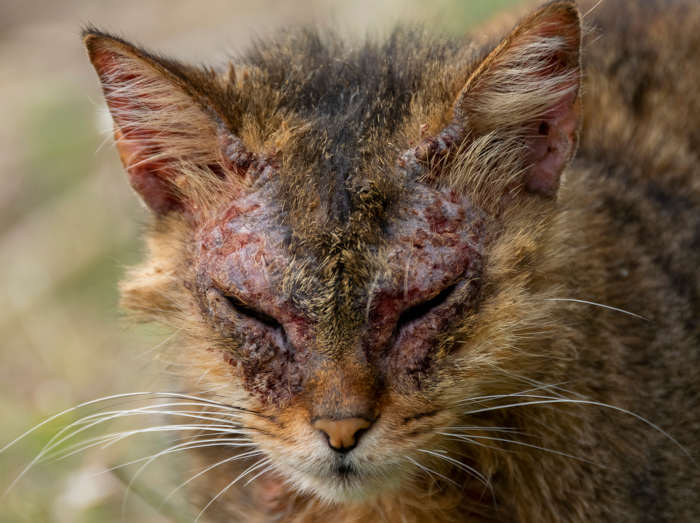
In this first photo we can see a severe case of mange that has caused fur loss and scabbing around the cat’s eyes. This is a common location for fur loss as cats will rub their face vigorously on the ground and other objects to try and relieve the intense itch: This cat may well have eye ulcers and conjunctivitis, secondary to the mange.
Picture 2
Here, we can see small patches of fur loss on the face, with mildly inflamed skin. This would be typical of an earlier mite infestation, when the lesions have not yet progressed. While these lesions could be confused with a fungal infection such as ringworm due to their circular appearance, the cat would be intensely itchy, which would make the clinician more suspicious of mites.

Picture 3:
This tabby cat has got mild fur loss on their face and scabbing is visible on its face and ears. The visible dried blood would be typical and occurs due to the skin damage caused by constant scratching and rubbing of the pruritic skin. This cat should be assessed for ear mites as well, as it is not uncommon for them to occur alongside Notoedric mange, particularly in feral or stray cats.

Picture 4:
This cat has a dull and lacklustre coat with area of fur thinning and alopecia. Their skin is visibly darker and crusting on the ear margins, which would be characteristic of feline mange.

Picture 5:
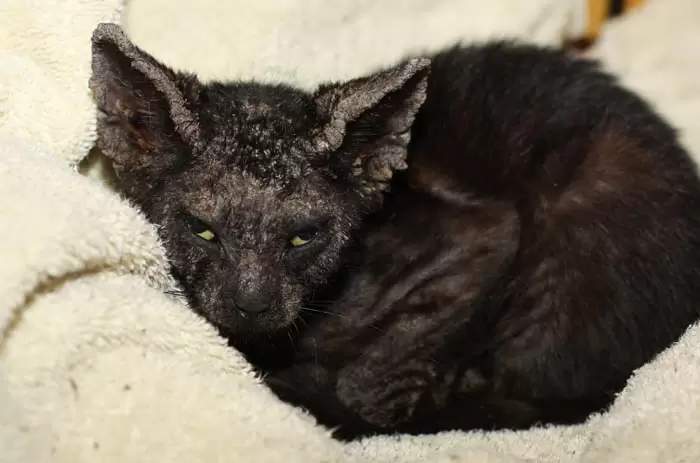
In this photo, the thickening and crusting around the ear margins is more prominent. There is diffuse fur loss and the skin is dry and scaly. We can also see that the fur is sparse along the whole body, which is typical of a longer standing mange infestation.
What are the signs of mange in cats?
The first sign of notoedric mange is usually intense pruritis (intense itching) along with hair loss and a thick/crusty and scabby appearance to the skin, especially on the tip of the ears. It then progresses to the face and neck, and if untreated can progress to other parts of the body particularly the feet and genital area. The head and neck are generally affected although mites can also infect the forelegs, paws, and genitalia, especially if the condition has been allowed to go untreated. The spread of mites is believed to be caused by the cat’s grooming behaviour and also sleeping habits, as most cats like to sleep curled up.

The most tell-tell sign of a mite infestation is intense itching that rarely stops. These cats are constantly rubbing and scratching themselves in an attempt to feel relief.
Before long, we will start to see patchy fur loss and red rashes along the skin, accompanied by red pustules and pimples as well as larger skin sores and areas of crusting.
What is mange?
Also known as feline scabies, notoedric mange is a rare but highly contagious and intensely itchy skin disease caused by the mite ‘Notoedres cati‘. Notoedres cati is found worldwide. While rare, they affect cats of any age, breed, and sex. Cats can also catch other types of mange, including ear mites (Otodectes) and Cheyletiella (‘walking dandruff’). Importantly, all cats have a mange mite called ‘Demodex’ living on them. This mite can proliferate and cause signs when a cat is poorly or immune-suppressed. Learn more.
What are the causes of mange in cats?
Mange in cats is a parasitic skin disease caused by mites. These tiny organisms infest the cat’s skin and hair follicles, leading to various symptoms and discomfort. Two main types of mange commonly affect cats:
- Demodectic Mange (Demodicosis): This type of mange is caused by the Demodex mite, which naturally lives on the skin of cats without causing any problems. However, under certain conditions, such as a weakened immune system, the mite population can grow rapidly and cause skin issues. Demodectic mange often appears as patchy hair loss, redness, and scaly skin. It commonly affects young cats and those with underlying health problems.
- Sarcoptic Mange (Scabies): Sarcoptic mange is caused by the Sarcoptes scabiei mite, which burrows into the cat’s skin. This type of mange is highly contagious and can be transmitted to other animals and humans. Cats with sarcoptic mange experience intense itching, hair loss, crusty or scabby skin, and may develop secondary bacterial infections due to excessive scratching.
- Notoedres cati (Feline Scabies): Notoedres cati is a parasitic mite that can cause mange in cats. It is specifically associated with a type of mange called notoedric mange or feline scabies. Notoedres cati mites primarily infest felines and are highly contagious among cats. The mites burrow into the cat’s skin, causing irritation and inflammation. Notoedric mange is typically transmitted through direct contact with an infested cat or through contact with bedding or other items that an infested cat has come into contact with.
What to do to treat cats with mange at home
Mange can be diagnosed by a veterinarian through a physical examination and skin scrapings to identify the mites or their eggs.
Treatment of mange in cats typically involves the administration of prescription medications, such as topical ointments or oral medications, to kill the mites and alleviate the symptoms. In some cases, additional treatments may be necessary to manage any secondary infections or underlying health issues.
Here are some things you can do at home to make your cat more comfortable:
- Isolate your cat – Forms of mange, like scabies, are incredibly contagious, so it is best to isolate them from people and other cats to prevent disease transmission.
- Cleaning the environment – Clean the bedding and any furniture your cat comes in contact with with a high-heat wash.
- Bathing – Bathe your cat with soothing anti-itch shampoos while treatment takes effect. This will alleviate some of the discomforts of skin irritation.
- Cat clothes – Putting a t-shirt or sweater on your cat will help prevent them from scratching and damaging the skin. Change the clothing out daily and wash on high heat.
- Elizabethian collar – Cats that are licking and chewing must wear a cone to prevent trauma to the skin.
How to prevent mange from re-occurring
Preventing mange involves maintaining good overall cat health and hygiene, as well as avoiding contact with infected animals. Regular grooming, a balanced diet, and a clean living environment can help reduce the risk of mange infestations.
When to reach out to the vet
If you suspect your cat has mange, it is best to consult a veterinarian for an accurate diagnosis and appropriate treatment. Scabies is not only a disease that causes extreme discomfort but is also highly contagious to other cats and potentially people. Swift diagnosis will allow early treatment and the ability to have your cat feeling better as soon as possible. Calling a veterinarian is especially important if your cat appears systemically unwell (lethargic or not eating) or if you suspect a secondary skin infection.
Veterinarian treatment, costs, and recovery
Scabies is unlikely to resolve without veterinary intervention and can negatively impact the cat’s quality of life, so treatment is always recommended. Even Demodex mites can lead to severe consequences if left untreated. Medical treatment is geared at killing the mites and treating any secondary fungal or bacterial infection. Many products are applied topically, but oral options are available as well. Most treatments will extend for several weeks in duration depending on the severity of the infection.
The cost of veterinarian treatment for mange in cats can vary depending on several factors, including the severity of the mange, the type of mange, the region you live in, and the specific veterinarian you visit. Generally, the treatment costs can include:
- Veterinary examination: This involves the initial consultation and examination of your cat to diagnose mange. The cost can vary, but it typically ranges from $50 to $100.
- Medications: The specific medications prescribed by the veterinarian, such as topical creams, dips, or oral medications, will incur additional costs. The price can vary depending on the medication and the duration of treatment. Expect to spend anywhere from $50 to $200 or more on medications.
- Follow-up visits: Your veterinarian may schedule follow-up visits to monitor your cat’s progress and adjust the treatment plan if necessary. The cost of these visits can vary, typically ranging from $30 to $60 per visit.
- Additional tests: In some cases, your veterinarian may recommend additional tests, such as skin scrapings or blood work, to confirm the diagnosis or check for underlying health issues. These tests will incur additional costs.
Recovery
Recovery from mange in cats can vary depending on the type and severity of the mange, as well as the individual cat’s overall health and response to treatment. With proper veterinary care and adherence to the prescribed treatment plan, mange can typically be effectively treated. However, the recovery process can take several weeks to months. Cats usually begin feeling relief rather quickly. With successful treatment, cats will regrow their hair, and scabbing will resolve.
It’s important to follow your veterinarian’s instructions closely, including completing the full course of treatment, even if your cat’s symptoms improve before the treatment is finished. Regular follow-up visits are essential to monitor your cat’s progress and ensure the mange has been fully resolved.
It is important to treat the home environment as scabies mites can live on furniture and bedding. Any cloth material should be washed and dried on extremely high heat or thrown away. Carpets and upholstered surfaces should be vacuumed and steam cleaned. Chemical treatment of the home is not often recommended as the scabies mites will die within 2-3 days of living off of the host.
Frequently asked questions:
Can cats with mange transmit the disease to humans?
Mange in cats is caused by different types of mites, such as Sarcoptes scabiei or Notoedres cati, which are specific to feline hosts. While these mites can cause skin irritation and discomfort in cats, they generally do not infest humans but there is always a small risk of transmission. The mites that affect cats are species-specific, meaning they have evolved to live and reproduce on feline hosts and are not adapted to survive long-term on humans.
However, it is still important to take precautions when handling a cat with mange to minimize any potential risk. Direct contact with the affected cat’s skin or fur may cause temporary itching or irritation in humans, similar to a mild allergic reaction. It’s advisable to wear gloves and wash your hands thoroughly after handling an affected cat to reduce any potential discomfort.
Is mange contagious to other pets?
Yes, certain types of mange in cats can be contagious to other pets. The contagiousness depends on the type of mange and the specific mite involved.
Sarcoptic mange is highly contagious and can be transmitted from cats to other animals, including dogs. It can also spread to humans, although the mites do not typically establish a permanent infestation on human skin. Sarcoptic mange is typically transmitted through direct contact with an infected animal.
Notoedric mange, on the other hand, is specific to cats and is caused by mites that primarily affect felines. While notoedric mange is less likely to be transmitted to dogs or other pets, it is still possible for the mites to infest other cats in the same household.
How long does it take for mange to go away?
Generally, treatment for mange takes weeks to months depending on the severity of the disease and your cat’s overall health. It is important to note that mange can have relapses, especially if the initial treatment is not completed or if there are underlying health issues compromising the cat’s immune system. Therefore, it is crucial to follow your veterinarian’s instructions carefully and complete the entire prescribed treatment regimen.
Authors
-
by
-

-