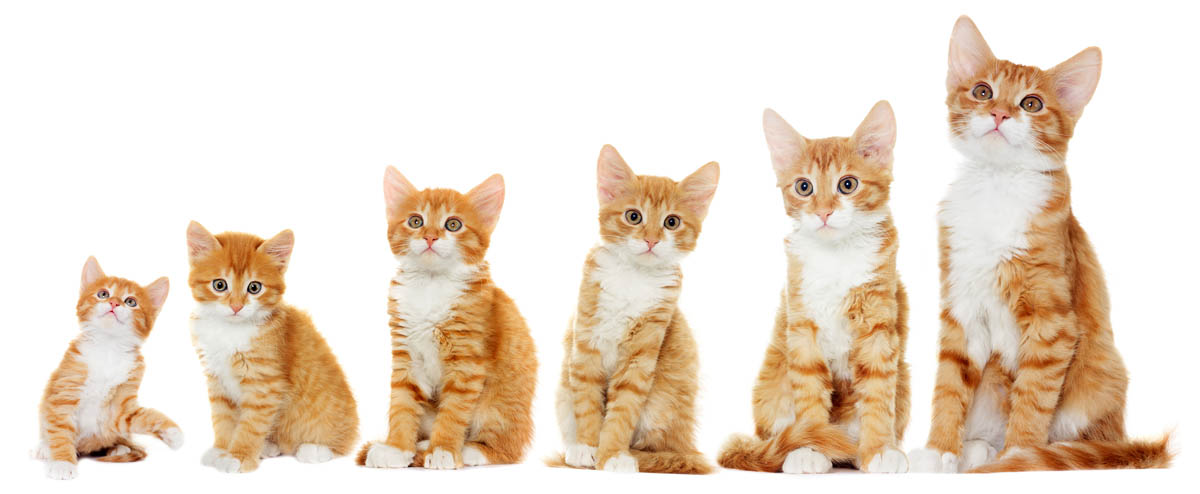
Kitten milestones at a glance
|
Birth
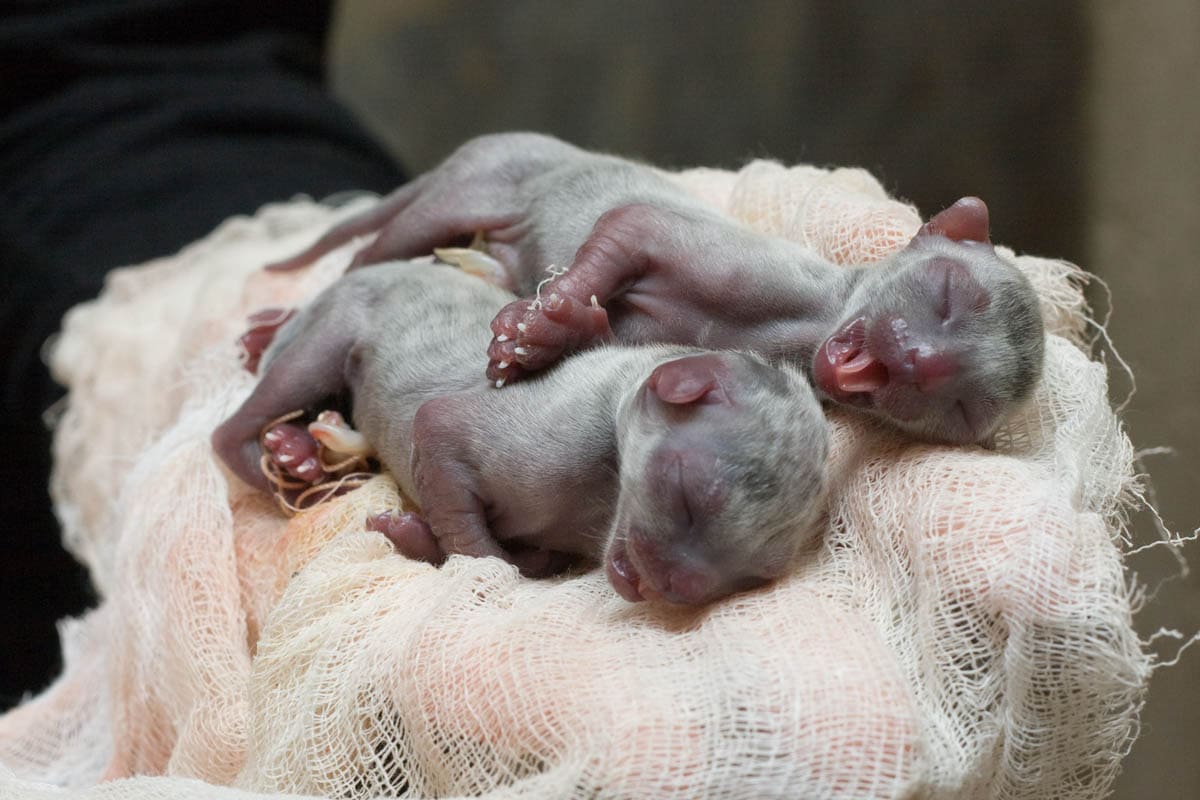
Growth
|
Kitten Care at Birth
The umbilical cord will fall off between 4-5 days. Kittens will remain with their mother full time, and she will provide all the food, warmth, and care they need. If no mother is available to care for the kittens, they will need to be bottle-fed every two hours with kitten formula and stimulated to urinate and defecate.
Caregivers should practice a hands-off approach but remain watchful towards both the mother and her kittens for signs of sickness or failure to thrive. Check the umbilical stump for signs of redness or infection, but keep handling to a minimum.
Newborn kittens are unable to regulate their body temperatures and rely on mum to keep warm. Keep the area warm and at room temperature, which may mean the use of heat sources such as heat lamps.
Week 1
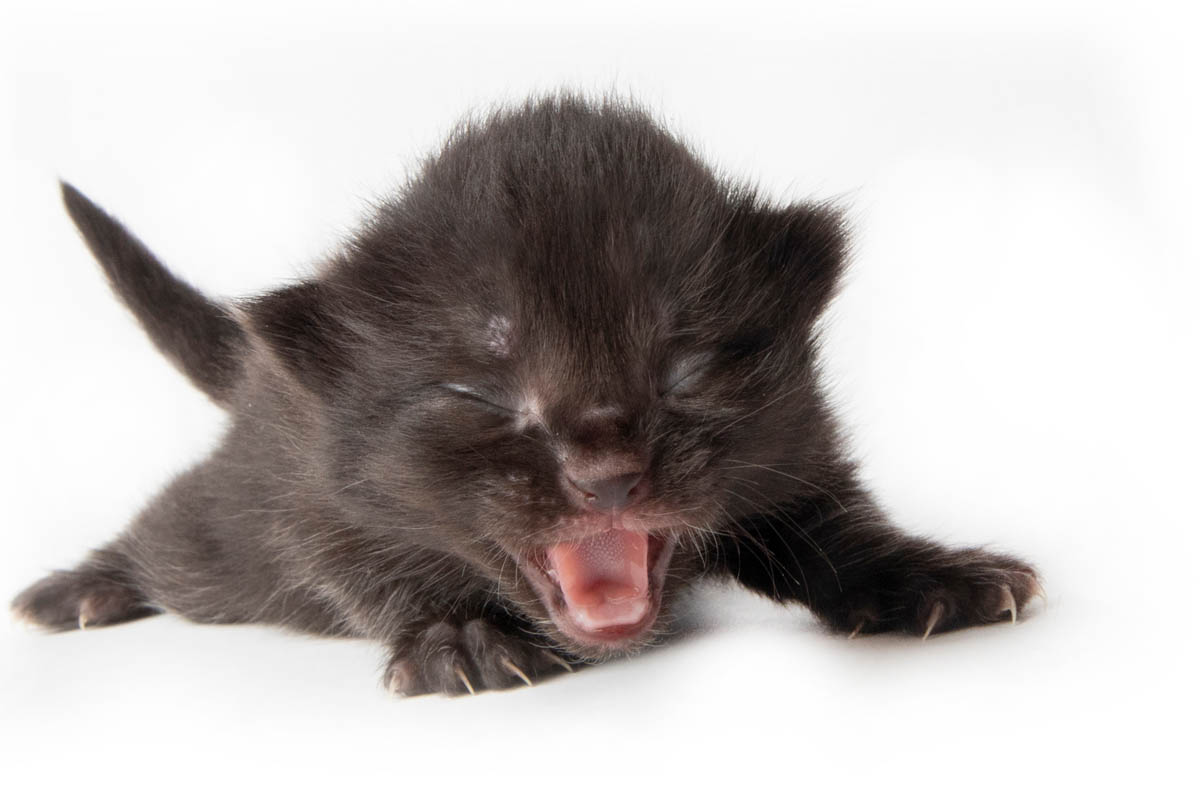
Growth
|
Kitten Development Milestones
Between 1-2 weeks the kittens will be able to hold their head up. Kittens will make a high-pitched meow if picked up.
Care
Kittens remain with their mother 24 hours a day and continue to sleep when they are not nursing. If no mother is available, kittens will need to be bottle-fed every 2-3 hours and stimulated to go to urinate and defecate. Kittens are still unable to regulate their body temperature and must be kept at an appropriate temperature.
It is sensible to weigh kittens using a kitchen scales every day or two, particularly if concerned they are not feeding or growing as they should.
Week 2
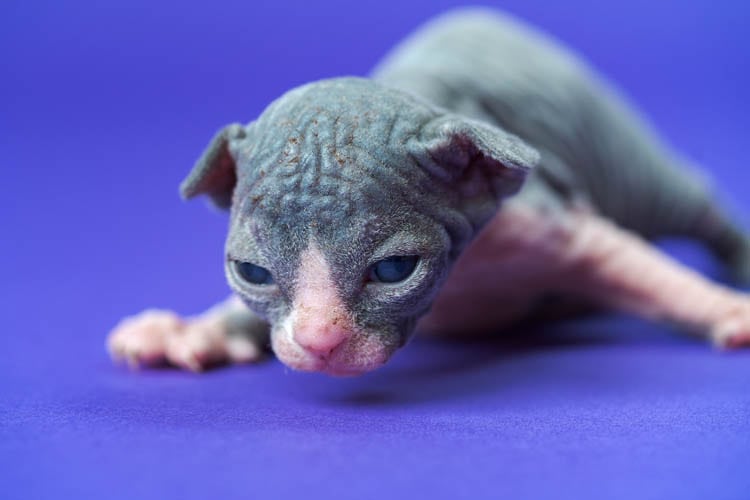
Growth
|
Kitten Development Milestones
Kittens continue to spend the majority of their time sleeping or nursing. Coordination is improving and some kittens may be walking; albeit clumsily.
Care
Kittens remain with their mother 24 hours a day. If no mother is available, kittens will need to be bottle-fed every 3 – 4 hours and stimulated to go to urinate and defecate. Kittens are still unable to regulate their body temperature and must be kept at an appropriate temperature.
Parasites
- Deworming kittens – First dose.
Week 3
Growth
|
Kitten Development Milestones
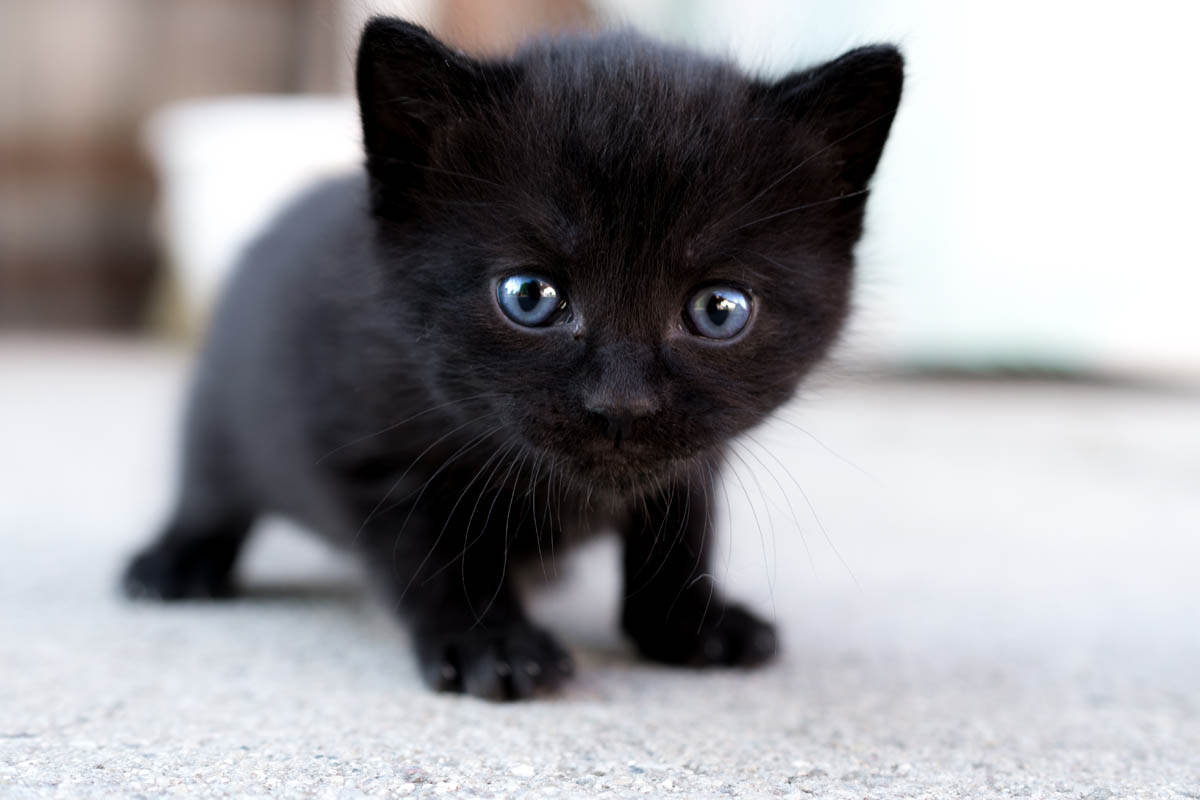
Kittens are becoming more active and beginning to explore their environment and interact with littermates. Some kittens begin to purr.
The kittens may defecate on their own, but the mother will still clean up most of their waste.
Care
Kittens remain with their mother 24 hours a day. If no mother is available, kittens will need to be bottle-fed every 4 – 5 hours and stimulated to urinate and defecate. Kittens are still unable to regulate their body temperature and must be kept warm.
A low-sided litter tray with non-clumping cat litter can be introduced. Scoop out waste twice a day.
The socialization window begins from 3-4 weeks. During the socialization period, the kitten should be exposed to situations that will be a part of its everyday life. This includes interactions with people, pets, and veterinarians as well as environmental enrichment. They should be exposed to routine parts of every day life, including the noise of the hoover, blender, TV and radio. Kittens who are socialized during this critical period have a better chance of growing up into well-adjusted adults. Start out slow, and keep kittens within the eyesight of their mother to avoid stressing either the kitten or its mother.
Week 4
Growth
|
Kitten Development Milestones
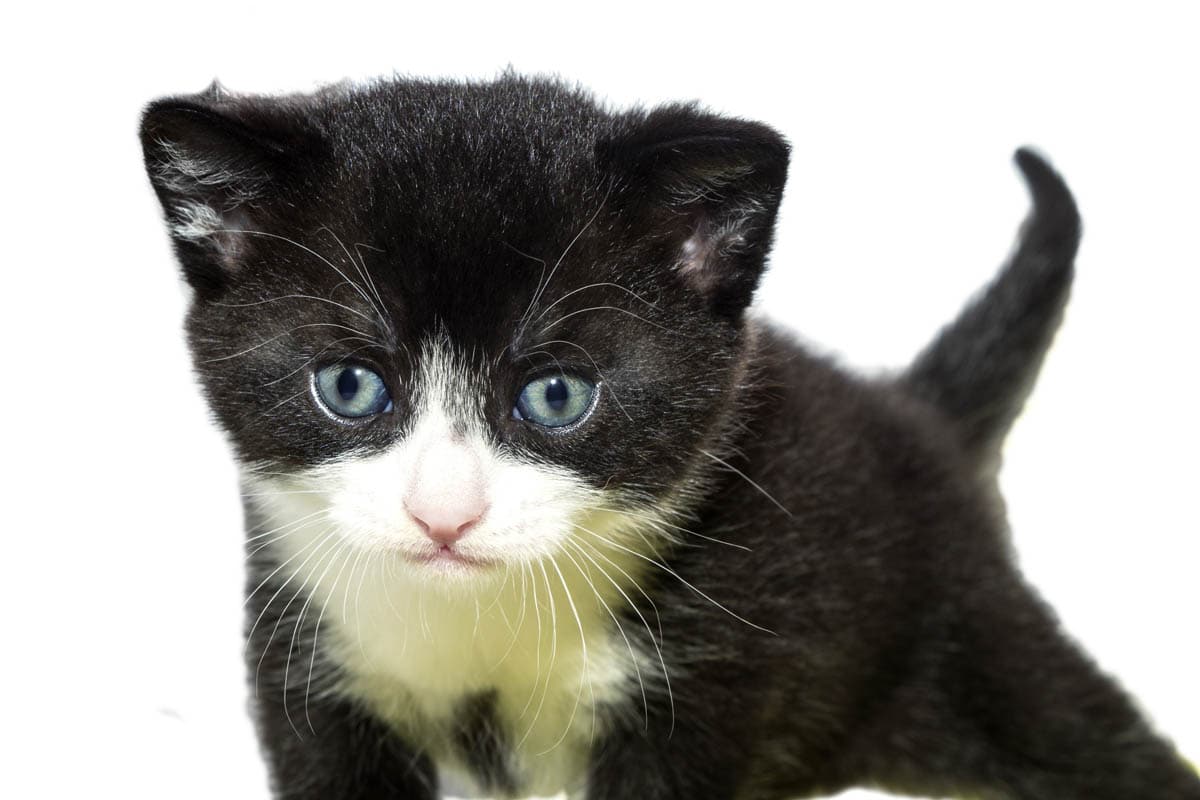
Kittens are no longer considered neonatal.
The kittens are becoming more and more active and may attempt to explore outside the confines of their kittening (whelping) box. It is at this time that the mother will begin to leave her kittens for short periods.
The mother is still grooming her offspring, but they are also able to groom themselves.
Parasites
- Deworm kittens – second dose.
Care
Kittens remain with their mother 24 hours a day. If no mother is available, kittens will need to be bottle-fed every 5 hours. Most 4-week-old kittens are able to use the litter box although accidents are common. Make sure that the bedding is easily washable, so you can ensure the area remains clean.
Provide a shallow container with fresh drinking water for the kittens.
Socialization continues, and toys can be introduced. Ensure there are no loose parts or strings the kitten can chew or swallow.
Week 5
Growth
|
Kitten Development Milestones
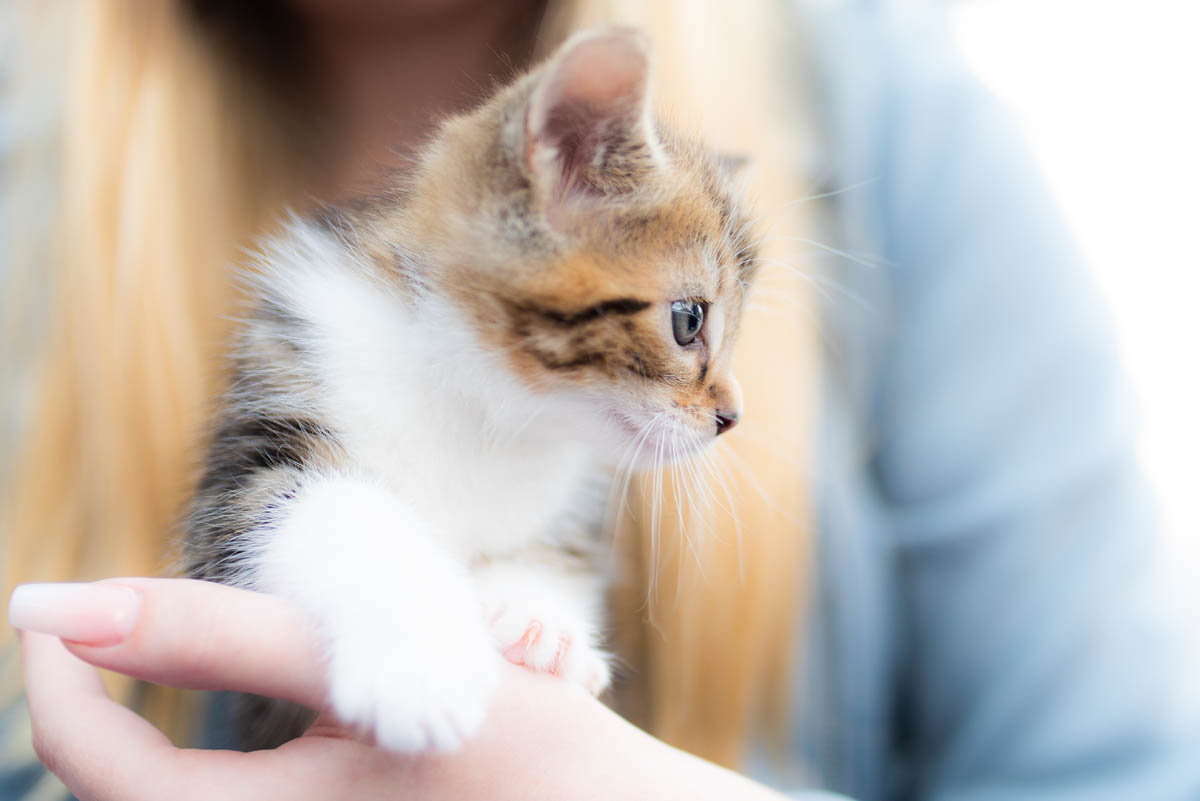
Although they may have begun to wean, kittens are still regularly nursing from their mother. Kittens are much more graceful on their feet at this stage and are exploring a lot more, often stalking and pouncing on their littermates.
Care
The weaning process begins some time between three and five weeks. Start slowly by mixing canned kitten food with some water or kitten formula to make a slurry. Dry kitten food could be soaked in water, to make it mushy. Not all kittens will take to food immediately, so patience is important. Introduce a small amount, initially. You can introduce solids either by placing a small amount of food on your finger or in a cat bowl. You may find your kitten walks in it and then grooms the food off their paw!
Week 6
Growth
|
Kitten Development Milestones
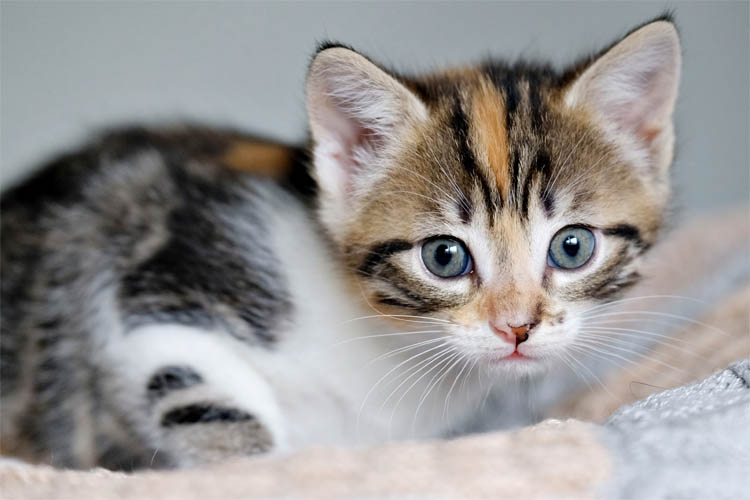
Kittens are extremely active, playing-fighting and pouncing, and exploring their environment. At six weeks, kittens are now grooming efficiently.
Care
Most kittens are reliably using the litter tray by six weeks, but there may still be the occasional accident. Kittens should receive their first vaccination and veterinary exam during week six, though vaccines are sometimes delayed until eight or nine weeks of age. Feed a small amount of wet food (if weaned) 4-6 times a day, and provide access to clean, fresh water in a shallow bowl.
Kittens are now able to regulate their body temperature but should remain in a suitably warm room around 21.1 – 23.8º C (70 – 75º F).
Your kitten is now much more receptive and interactive when playing, so the fun begins!
Week 7
Growth
|
Kitten Development Milestones
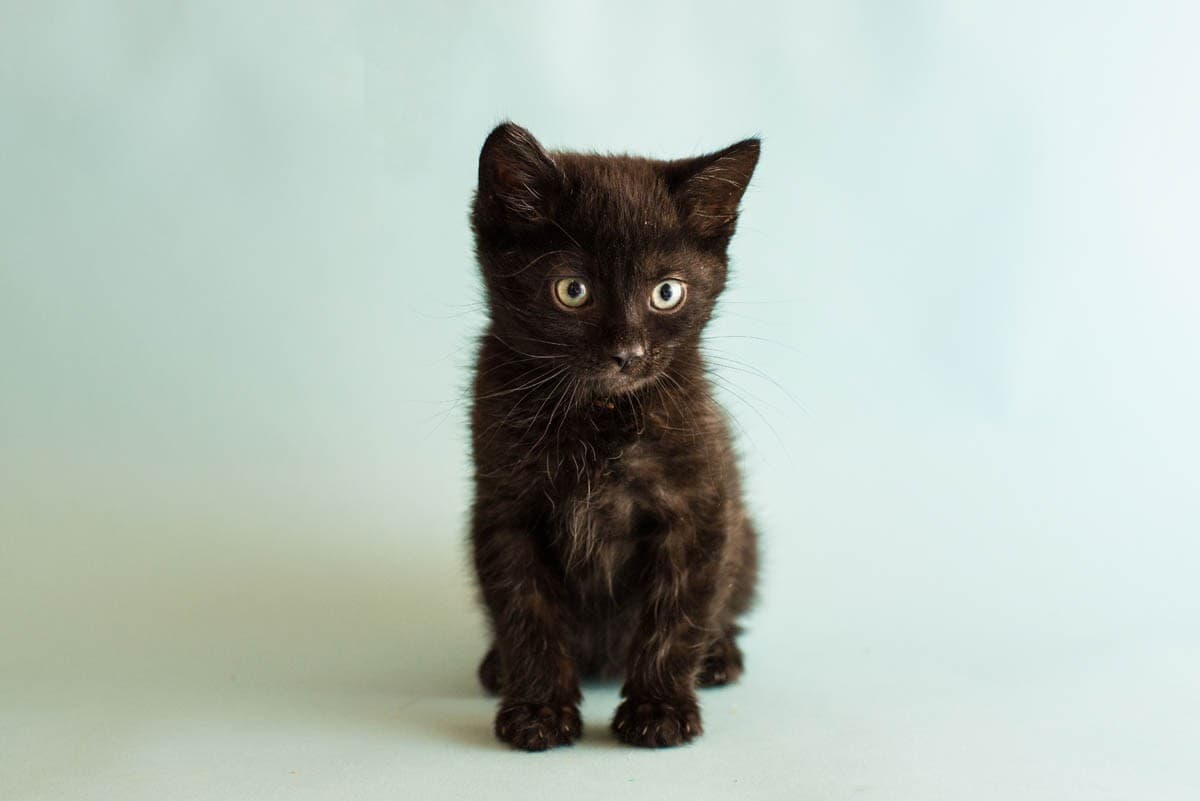
Kittens are eating more and more solid food and are almost fully weaned. There is an increase in energy; kittens are now exploring further and climbing.
Care
Feed four small meals a day; dry food may be left out if you are offering kibble. Provide access to clean drinking water at all times.
Continue to expose your kitten to plenty of calm people and new situations around the home. Allow them to walk on a variety of textures and encourage lots of different types of play and activities.
Week 8
Growth
|
Kitten Development Milestones
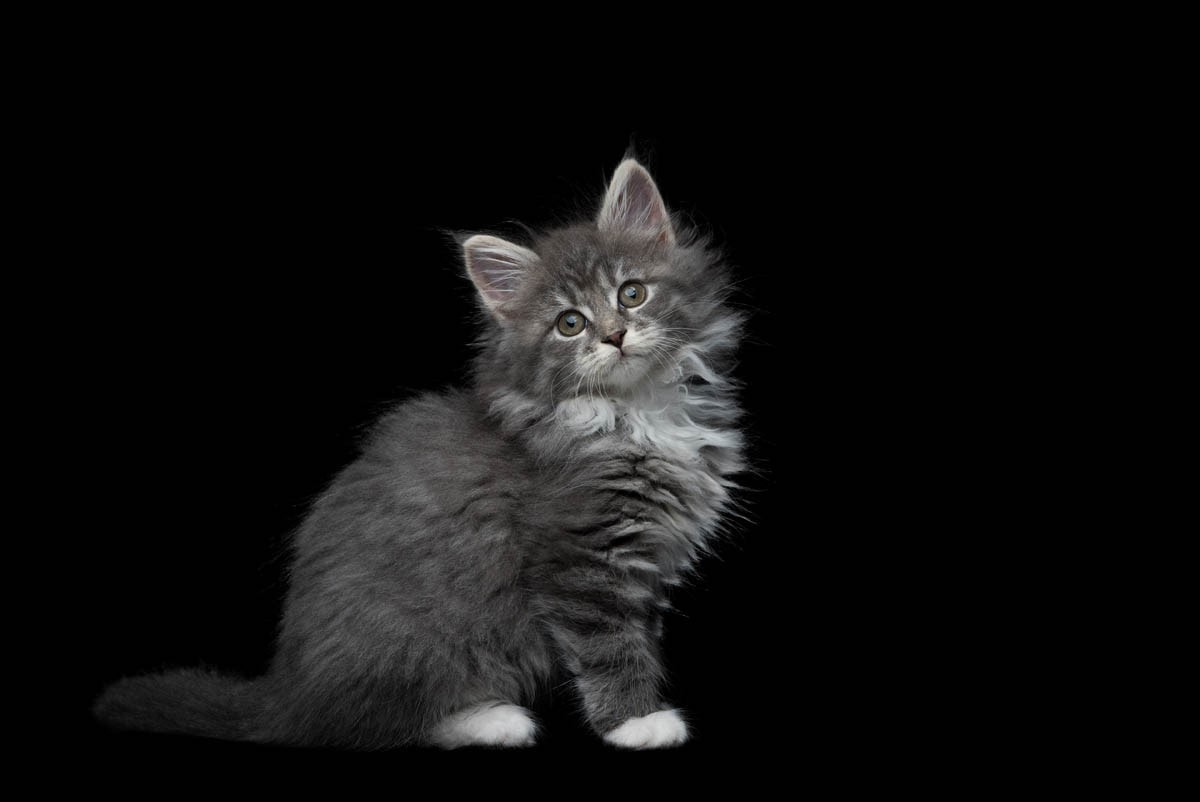
The kittens are extremely active, and the mother will have longer periods on her own. Mom may start to get a bit tired of her kittens, and may stop them from nursing at times.
The role of the human is to take an active part in the socialization process without intruding, especially in the very early days. Take the time to not only play with your kitten but also to offer plenty of cuddles and familiarise it with being handled, in general. This includes frequently touching the paws, ears, and mouth, which will make basic health inspections, medicating, and claw trimming easier, as the kitten is brought up to accept this.
Once a kitten is weaned, you should talk to your veterinarian regarding optimal timing for spay/neuter and microchipping.
Vaccinations/parasites
- Kittens receive their first vaccinations between 6-9 weeks of age.
- Deworm kittens – third dose.
- At about 8-10 weeks is when many kittens are re-homed
Care
Feed three to four times a day (canned), and leave dry food out if desired. Water should be available 24 hours a day.
5 most important guidelines to care for kittens (weeks 1-8)

- Keep kittens warm – kittens cannot regulate their own body temperature until they are 4 weeks old. The kittens will be kept warm by their mother, but the surrounding temperature should be at least 75 degrees Fahrenheit.
- Diet – Both mom and kittens should be fed kitten food during this time period. Mum needs extra water, to help her stay hydrated while lactating.
- Protect them from disease – Kittens’ immune systems are naïve and they are very susceptible to contagious diseases. Young kittens should be kept isolated from other cats.
- Socialization – After the first 2-3 weeks have passed, it is important to get kittens used to humans and to being touched.
- Veterinary care – Kittens should receive their first exam between 6-9 weeks of age, when they will also get their first vaccination.
5 important kitten development milestones you should know about
- Umbilical cord falls off – 3 days
- Eyes and ears open – 10 to 14 days
- Start walking and standing – 2-3 weeks
- Able to urinate and defecate on their own – 3-4 weeks
- Begins to eat solid food – 4-5 weeks
Kitten growth chart
Kittens may be affected by what is known as “failure to thrive.” Though the cause is not always known, one of the first signs may be a slowing or absence of weight gain. Weighing kittens every few days from birth (and then weekly) can alert the owner to any potential problems.
| Kitten Growth Chart (1-8 weeks) | ||
| Age | Weight (Ounces/Pounds) | Weight (Grams) |
| First few days | 2 to 6 ounces | 50 to 175 |
| 1 week | 5 to 10 ounces | 150 to 275 |
| 2 weeks | 8 to 14 ounces | 250 to 400 |
| 3 weeks | 10 to 16 ounces | 300 to 450 |
| 4 weeks | 12 to 18 ounces | 350 to 500 |
| 5 weeks | 14 to 24 ounces | 400 to 600 |
| 6 weeks | 16 to 28 ounces | 450 to 800 |
| 7 weeks | 1.2 to 2.3 pounds | 550 to 1050 |
| 8 weeks | 1.4 to 2.6 pounds | 650 to 1200 |
Footnote
Cats remain kittens for longer than eight weeks; the aim of this article was to cover the early stages of kitten development.
This is a guide only, as all animals work to their own schedules; however, this does provide you with a guideline as to what should be happening and when.
It is important to keep records of weight; kittens should gain weight steadily and owners should seek veterinary attention if weight gain stops. Also, be on the lookout for signs of sickness in your kitten. These could include loss of appetite, sleeping alone (at a very young age), rejection from the mother, vomiting, diarrhea, weakness, and discharge from the mouth, eyes, and anus.
As well as meeting basic needs, it is the breeder’s responsibility to ensure their kitten is well socialised and exposed to all the normal elements of a human household, before being re-homed.
Authors
-
by
-

-