What is cryptococcosis?
Cryptococcosis is a common infectious disease caused by the yeast-like fungus Cryptococcus neoformans. This fungus is widespread in the environment and infection can occur in cats, dogs, humans and other animals.
Cat health articles. Browse our health collection for common and uncommon cat health issues.
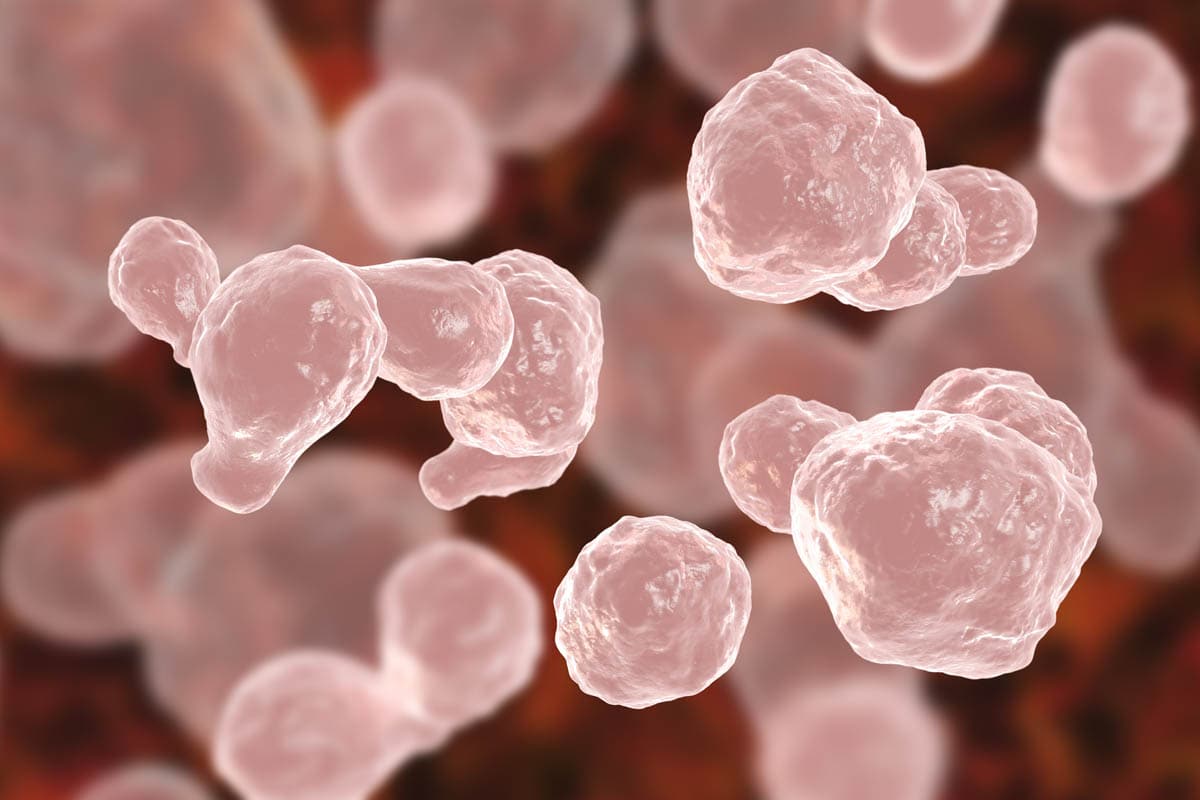
Cryptococcosis is a common infectious disease caused by the yeast-like fungus Cryptococcus neoformans. This fungus is widespread in the environment and infection can occur in cats, dogs, humans and other animals.
|
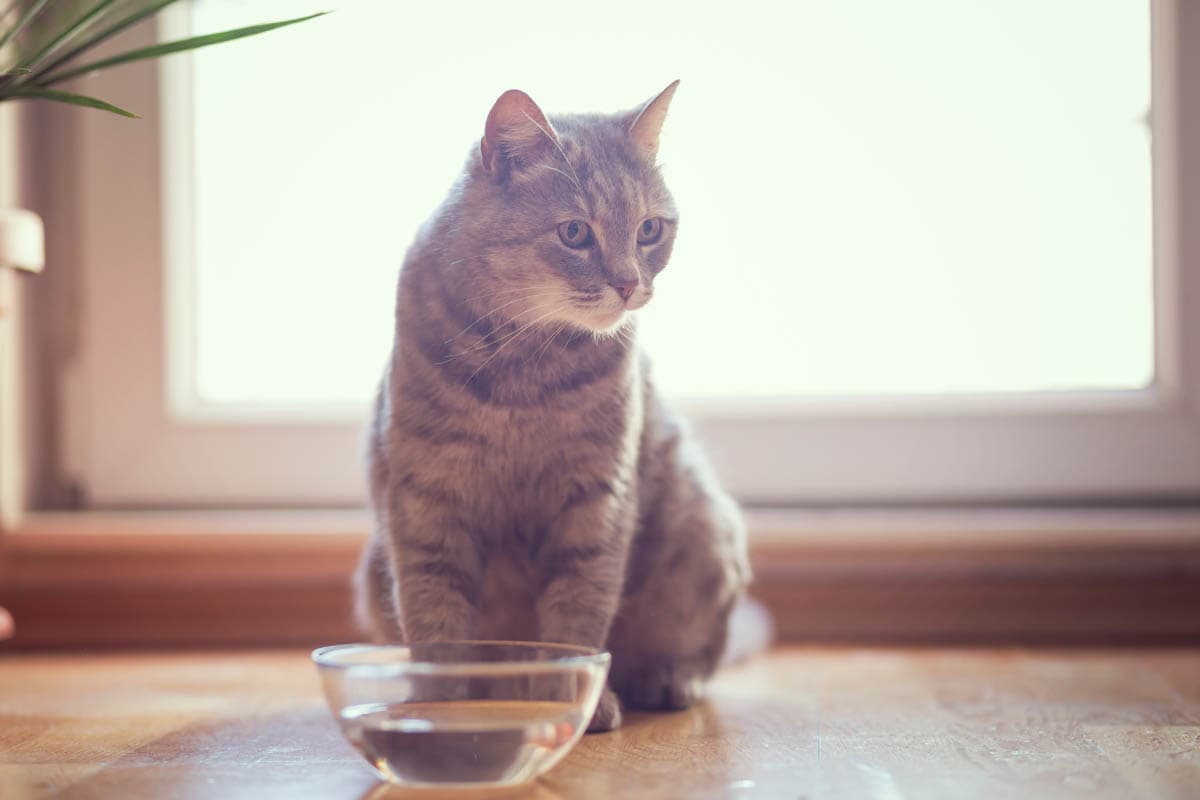
The average cat should consume 8 fluid ounces or 240 ml of water per day from food and drinking water. The type of food the cat eats will determine how much additional water he or she will need to drink.
Pleural effusion is an abnormal buildup of fluid up in the pleural cavity, the thin fluid-filled space that lies between the lungs and the chest wall.
Two membranes line the thorax and lungs, and the space between naturally has a small amount of fluid, which helps to lubricate the lungs as he breathes in and out. Small blood vessels in the pleural lining produce this fluid, blood and lymph nodes take away excess fluid to keep it all in balance.
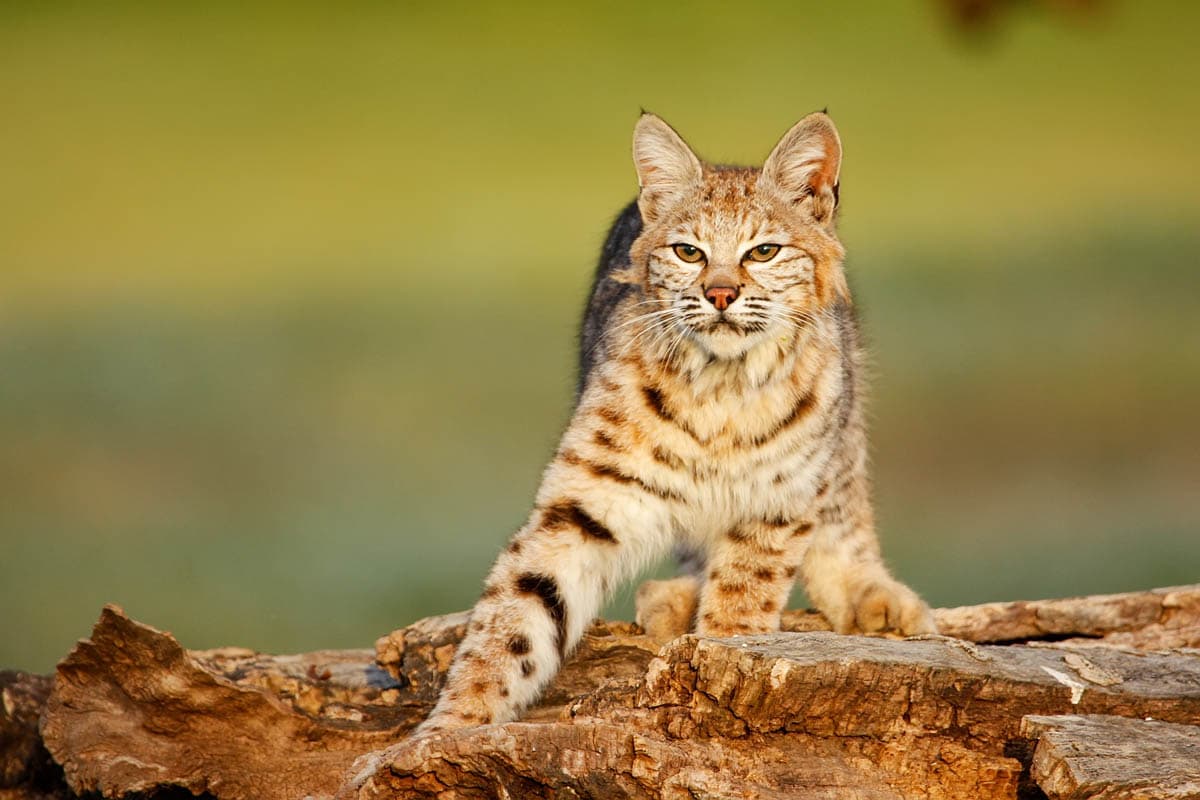
Also known as bobcat fever, cytauxzoonosis is a severe and often fatal blood-borne parasitic infection caused by the protozoal organism Cytauxzoon felis. Its natural host is the bobcat (Lynx rufus), who harbours the parasite with mild or subclinical effects.
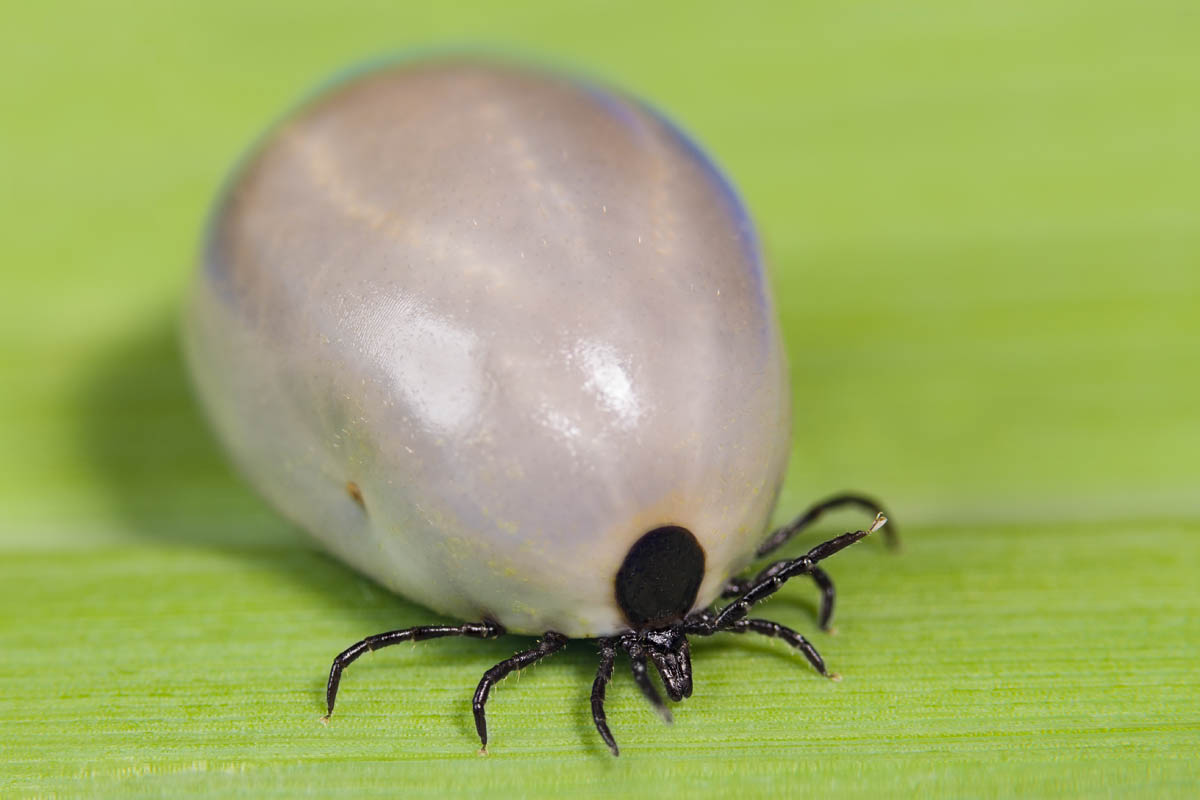
Ticks are small ectoparasites, meaning they live on the outside of their host, and are members of the arachnid family (spiders and mites are also members of this family). There are over 800 species of tick, and their distribution is worldwide. Australia has around 70 species of tick. There are several diseases cats can pick up from tick bites which we will cover below.

Medically known as allergic rhinitis, hayfever is a type of allergic reaction to pollen. Normally the immune system ignores harmless substances, but some cats develop an inappropriate immune response to pollen characterised by sneezing, watery eyes and a runny nose.
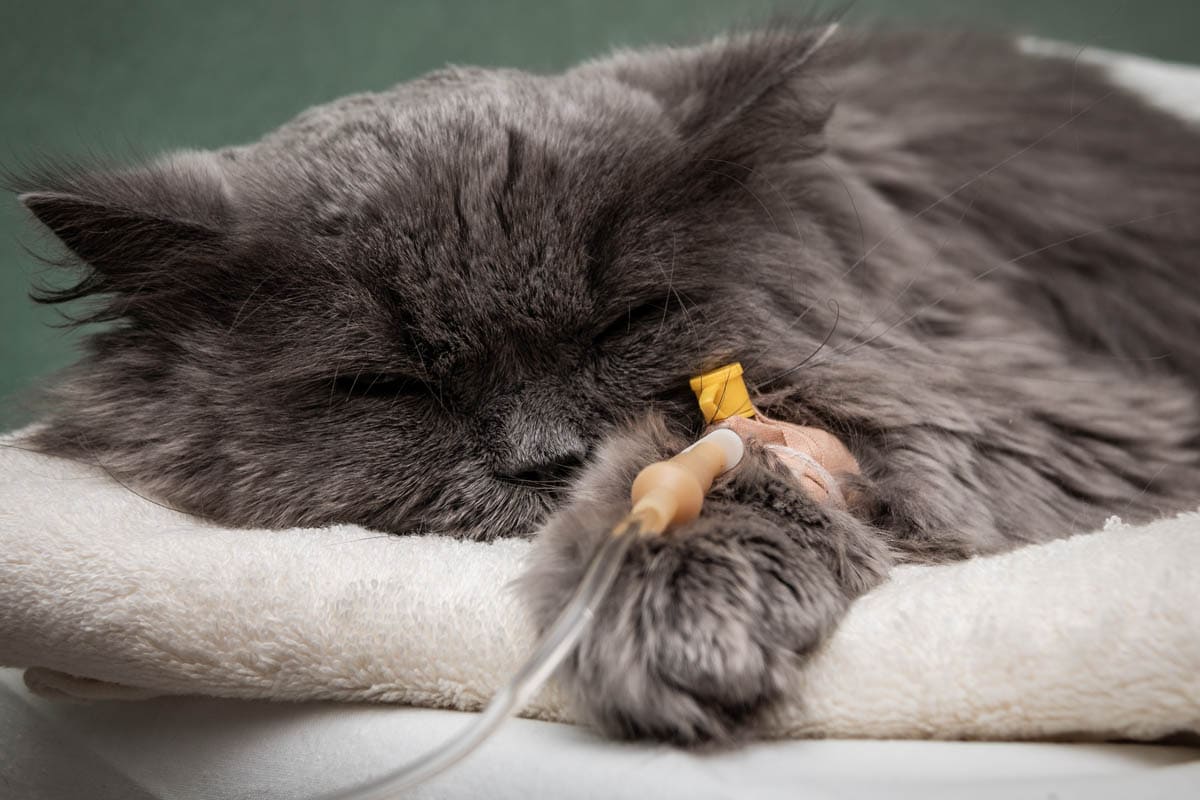
Sometimes it may be necessary for your cat to stay at the veterinary surgery for a period to be treated for and/or recovery from an illness or surgery. Hospitalisation of a cat is often a difficult time for both the cat and the owner and many people ask if they should visit your cat while he is at the hospital.
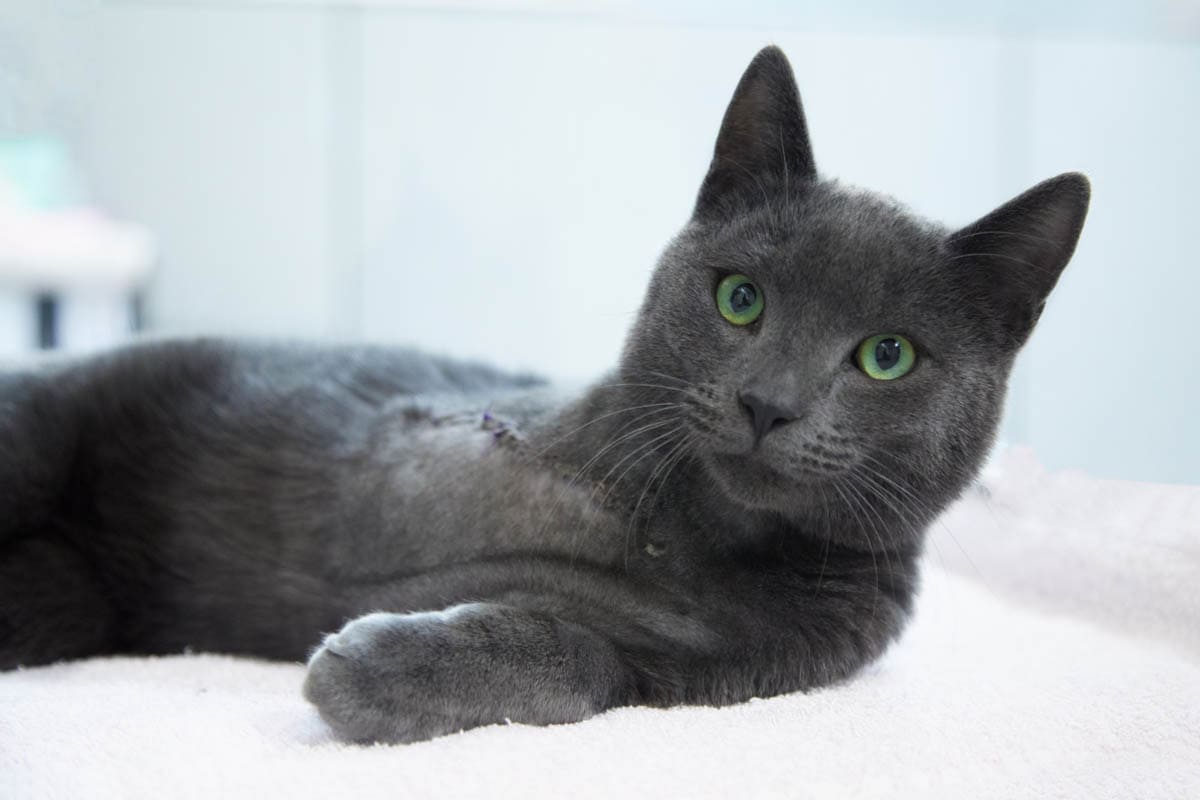
Affectionately referred to as tripod cats, leg amputation is the surgical removal of the limb. Cats are such agile creatures, it is hard to imagine how a cat could cope on three legs, but they manage easier than we often give them credit for.
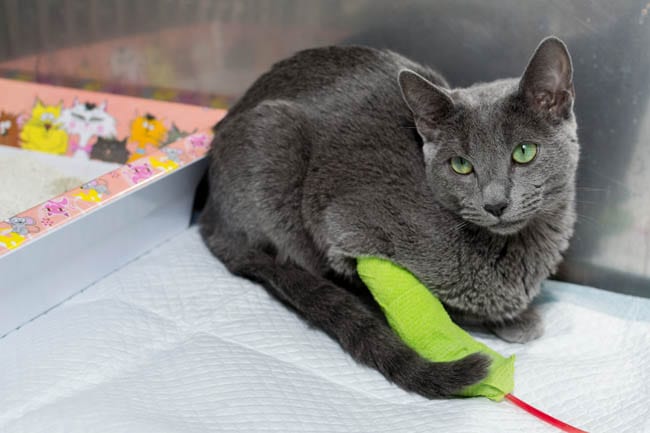
A blood transfusion is a life-saving procedure where blood or blood products from a donor are given to a cat to treat a medical disorder. This may be whole blood (containing all four components of the blood) or blood components (plasma, platelets, etc.).
Blood is a part of the circulatory system which comprises of blood, blood vessels, and the heart. It carries oxygen and nutrients around the body and removes waste products such as carbon dioxide. The average 5kg cat has about 325ml of blood.
Blood has four components; red blood cells, white blood cells, plasma, and platelets.