Diseases Cats Can Catch From Hunting

Diseases cats catch from hunting

Bacterial infections

Plague:

Yersinia pestis is the bacteria responsible for the black death which killed millions of people in Europe from 1346. There are several modes of transmission of this highly infective zoonotic bacteria including flea bites, coughing and sneezing (pneumonic plague) and eating an infected animal.

Y. pestis occurs in parts of Europe, Africa, North and South America.

Read more

Parasites Cats Can Catch From Hunting

Diseases cats catch from hunting

Hunting has a significant impact on local fauna, not only do cats pose a risk to wildlife, but wildlife also poses a threat to animals from injury and infection. There are several diseases that cats can catch from eating infected prey, many of which are parasitic and rely on an ‘intermediate host’ to pass on the infection. Worms, flukes, bacteria, viruses and protozoa are all able to cause infection in cats from hunting and eating their prey.

Read more

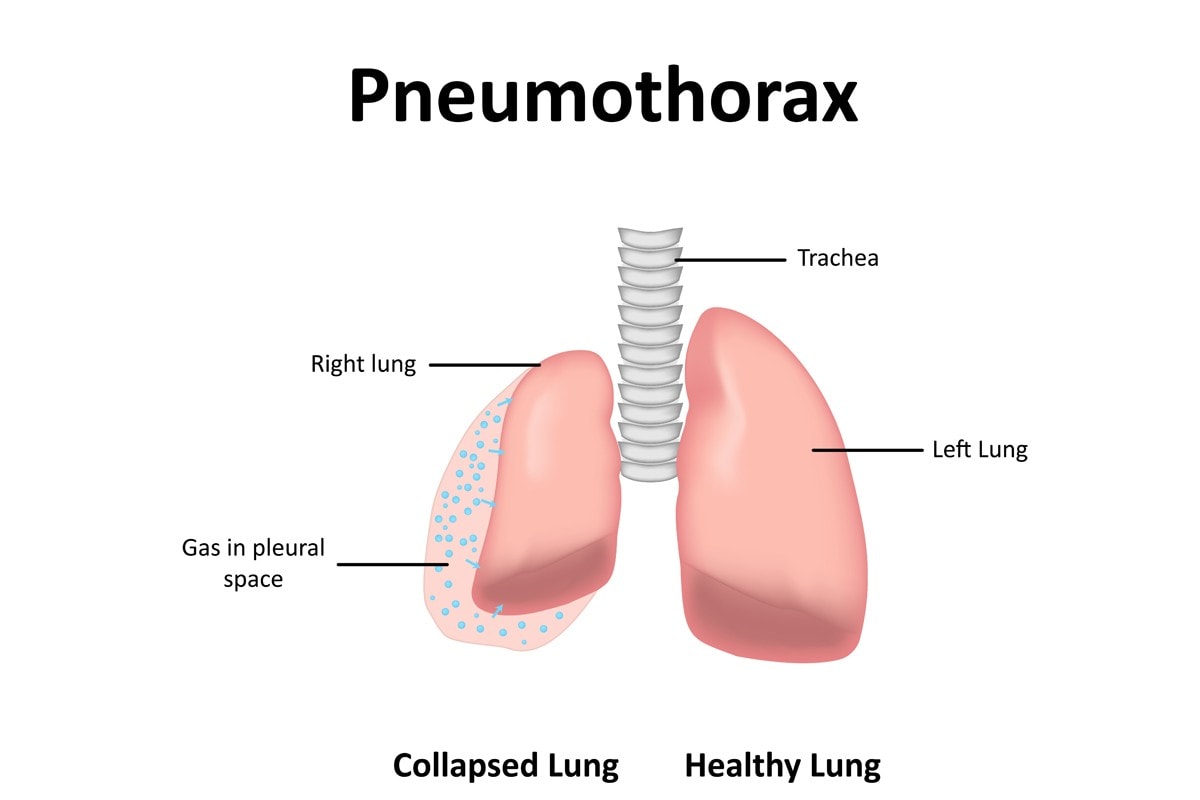
Pneumothorax in Cats

Pneumothorax in cats

What is pneumothorax?

Pneumothorax (new-mo-thorax) is an abnormal accumulation of air in the pleural cavity which is between the lungs and the chest wall. Usually, there is a small amount of serous fluid in the pleural space which acts as a lubricant during breathing. Air entering the pleural space means there is less room for the lungs to expand when the cat inhales and causes the lung(s) to collapse (which is why the term collapsed lung is often used when describing pneumothorax).

Read more

Feline Ischemic Encephalopathy

Feline ischemic encephalopathy

What is feline ischemic encephalopathy?

Feline ischemic encephalopathy (FIE) is a neurological disorder caused by parasitic infection of the Cuterebra larvae common to North America, South America, and Canada.

Cats are accidental hosts; the parasite usually infects rodents and rabbits. Endemic areas include southeastern parts of Canada and northeastern parts of the United States although some species of Cuterebra occur further south, west, and into Southern America.

Read more

Cyanosis (Blue Skin & Gum Colouration) in Cats

Cyanosis in cats

About: Cyanosis is the bluish discolouration of the skin and mucous membranes due to low levels of oxygen in the blood. It is a symptom of an underlying disorder and not a disease in itself. Causes: There are many causes of cyanosis including heart and lung disorders, ingestion of toxins, carbon monoxide poisoning, low blood … Read more

Glycogen Storage Disease in Cats

Glycogen storage disease in cats

What is glycogen storage disease?

Also known as glycogenosis or dextrinosis, glycogen storage disease (GSD) is a group of rare genetic disorders characterised by an inability to metabolise glycogen, which is the stored form of sugar in the body. It affects cats, humans, and horses.

Read more

Retinal Detachment in Cats

Retinal detachment in cats

What is a retinal detachment?

A retinal detachment (RD) is a common, severe and sight-threatening disorder that occurs when the retina (a thin layer of tissue at the back of the eye) lifts or pulls away from the retinal pigment epithelium which provides nourishment and oxygen.

The retina is the thin, transparent layer of light-sensitive tissue that lines the rear (posterior) wall of the eye, and works similarly to that of the film in a camera. Photosensitive cells known as rods and cones convert light into electrical impulses and transport them to the brain via the optic nerve.

Retinal detachment in cats

Read more

Dandruff in Cats

Dandruff in cats

About: Cat dandruff is a common condition characterised by small, white flakes of skin in the fur. It is a symptom rather than a disease in itself and can due to external factors ea) or internal factors.Causes:

  • Endocrine disorders (diabetes and hypothyroidism)
  • Allergies
  • Parasites
  • Fungal infections
  • Dehydration
  • Cutaneous lymphoma
  • Low humidity
  • Seborrhea
  • Poor grooming due to arthritis or obesity
  • Old age
  • Malnutrition

Symptoms: The most obvious signs are flecks of white skin in the fur on the face and along the back. It is more evident in cats with dark coats. Other symptoms will vary depending on the underlying cause.

Diagnosis: Complete physical examination and baseline tests to evaluate the overall health of your cat. Additional diagnostic tests will be necessary to determine the cause.

Treatment: Treat the underlying cause, increase hydration, omega 3 fatty acids, and moisturising shampoos can all help dandruff.

Read more

Rapid Breathing (Tachypnea) in Cats

Rapid breathing in cats

About

Rapid breathing (tachypnea) is a respiratory disorder characterised by abnormal breathing that is rapid and shallow. It is caused by a reduced level of oxygen, mechanical disorders (where the lungs aren’t able to expand as they should, usually due to a build-up of fluid in or around the lungs), and physiological disorders in which the cat’s respiratory centre in the brain is overstimulated.

Read more