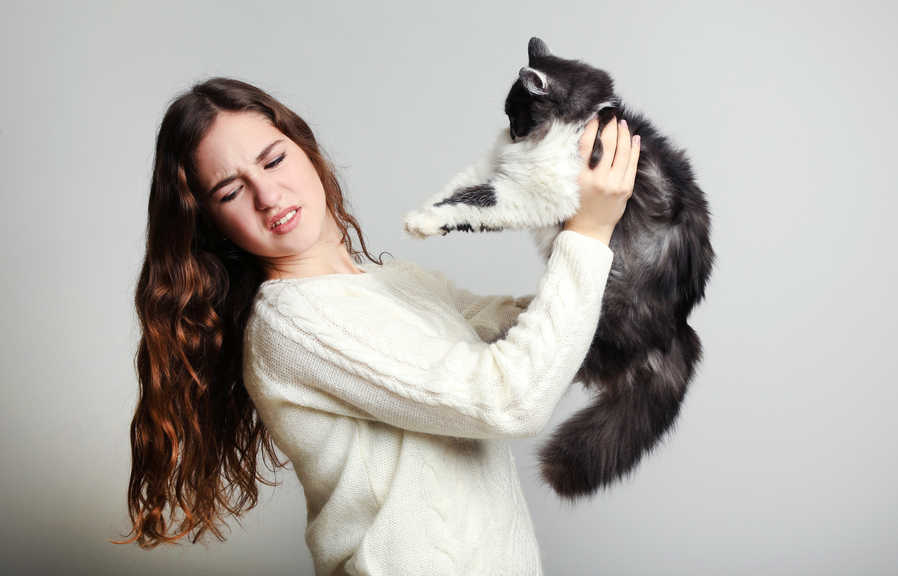
There are many frustrating things that can crop up on us as cat owners, and urination outside the litter box is chief among them. Even so, being peed on by your cat isn’t normal and should be considered cause for concern. Like being peed on by an infant, being peed on by a cat is not occasion for anger. Cats do not usually pee on their owners intentionally, and if they do it is because there is a problem elsewhere.
Instead of getting angry with your cat for peeing on you, be careful not to overreact and learn why they peed on you. Knowing why your cat is behaving this way is key to stopping the behavior, and they could be trying to tell you something important.
To understand why cats pee on their owners and what to do about it, we turned to one of our Certified Cat Behaviorists, Janet Cutler, Ph.D.
My cat just peed on me – is my cat angry at me?

In spite of the stereotype of vindictive cats, housecats do not typically misbehave out of anger. When your cat pees on you, it is an indication that there is something wrong, not that they are mad at you.
“Cats will not pee on you, or an area outside of their litterbox, specifically because they are angry with you, trying to punish you for something, or other reasons to upset you;” Dr. Cutler explained. “rather it is a sign that something is wrong with them, their litterbox/litter, or stress and anxiety.”
Especially when a cat has never peed outside its litterbox and it pees on you, you should consider this cause for alarm and schedule an appointment with your vet right away. Rule out any medical cause before moving on to other possibilities.
Most frequent reasons why cats pee on their owners, according to our Cat Behaviorist

If your cat isn’t mad at you, why are they peeing on you? The first thing you need to do is rule out any medical cause for the urinary problems. Dr. Cutler warns cat owners: “If your cat suddenly starts peeing on a person, or even around the house, you should first visit your veterinarian. There are many medical reasons that a cat could be peeing inappropriately and could need treatment in a timely manner.”
For example, your cat could have a urinary tract infection. While not overly common, UTIs do occur in cats and can cause them to have difficulty with bladder control.
Once you have ruled out a medical cause, you can check into these other possibilities.

1. Litterbox Issues
If your cat is particular about their litterbox, they may pee on you to get your attention that something is amiss. According to Dr. Cutler, “Any peeing outside of the litterbox could be caused in part by your cat not liking something about the litterbox.”
Some of the most common litterbox complaints are:
- Type, size, or scent of litter – Changing your cat’s litter suddenly could disagree with them.
- Accessibility of litterbox – Make sure that your cat’s litterbox hasn’t become obstructed. Moving their litterbox could also cause problems.
- Cleanliness – Cats are famously picky about cleanliness, so make sure the litterbox has been scooped and is changed out regularly. If this task is assigned to a child, your cat could be peeing on you to let you know they aren’t doing their job.
- Competition – If you have brought new cats in the home, your cat might be protesting having to compete for use of the litter box.
It is important to go check your cat’s litterbox immediately to look for any of these issues. Your cat could be peeing on you to let you know that their box is blocked by something or otherwise unusable.
2. Stress or anxiety
There are a lot of things that can cause a cat to be stressed out or anxious. Moves and other changes in their environment or routines could cause them to be stressed or anxious. It is well known that frequent and sometimes uncontrolled urination is a common effect of anxiety in mammals, not just humans. Cats are no different.
“Stress and anxiety is a common reason why a cat may start peeing out of the litterbox and even on you. Changes to the household can be particularly difficult on some cats, such as people leaving the home or new people living there, or new pets in the household.”
Stress or anxiety due to environmental or household changes is usually temporary, but it can cause issues like your cat peeing on you while you are waiting to get it under control. If it is really bad, you should seek to get both your cat and you some relief by talking to your vet.
3. Age or cognitive dysfunction
Just like humans, some cats have failing urinary systems as they get older. Male cats are more likely to have urinary issues than female cats, and cats over the age of 10 are most likely to have UTIs and other urinary problems. Some cats may also develop what some call cat dementia. Dr. Cutler explains:
“Your cat could begin peeing on you, around the house, or in other inappropriate areas due to their age or a condition called cognitive dysfunction syndrome which is a neurodegenerative disorder (essentially brain and nervous system cells start to die and don’t work as well) of senior cats.”
Other symptoms of cognitive dysfunction syndrome in cats causing them to pee on you are:
- Disorientation
- Changes in social interactions
- Changes in sleep habits
- Irritability
- Excessive licking
- Failing to self-groom
- Lack of appetite
If you suspect that your cat may be suffering from CDS, Dr. Cutler urges you to talk to your vet right away. “ This is an area where you should also talk to your veterinarian to make sure there aren’t any medical issues needing treatment or potential medications that can help.”
How do I get my cat to stop peeing on me?
The first step in stopping your cat from peeing on you is to figure out the cause. Sometimes you will need help from your vet getting the problem under control. Anytime your cat urinates outside its litterbox, you should start by making sure that everything is right in the litter department. “Taking a good look at litterbox management, trying new types of litter or boxes, adding more, or moving them to new locations might help,” Dr. Cutler suggests. She adds that you should try one thing at a time to make sure you pinpoint the right solution.
Once the litter is good, make sure that you improve access to litterboxes, even if that means including new litterboxes throughout the house. This is helpful not just to resolve litterbox issues, but it can also help resolve urinating outside the litterbox due to stress, anxiety, and old age.
If your cat has CDS or severe anxiety, talk to your vet about available treatments. There are anxiety medications that can be given to cats for short-term management of stress due to sudden household or environmental changes. Once your cat becomes accustomed to their new way of life, these medications could be discontinued. Cats with CDS should have ongoing treatment for better quality of life.
How do I know if my cat needs to see the vet?
Seeing the vet is the first thing that you should do when your cat pees on you. It is important to rule out all medical causes first. Even if it turns out not to be a medical cause, your vet can help you determine the problem and find a reasonable and effective solution. They can also prescribe medications if necessary.
Why is my cat peeing on me while I’m asleep?
Dr. Cutler says that your cat pees on you while you are asleep for the same reasons that it pees on you at other times. However, senior cats may be prone to urinating on their owners in their sleep.
“If you have an older cat, it could be related to their ability to move around, such as getting off the bed, being able to see properly, or possibly even signals to their brain that they need to pee.”
Why does my cat pee on me when I pick them up?
If your cat pees on you when you pick them up it is a sign that they are having urinary issues, and you should take them to the vet right away. Cats with UTIs may pee on their owners if pressure is applied on or near the bladder.
Some other signs of UTIs in cats include:
- Excessive licking of genital area
- Whimpering while using the litterbox
- Blood in the urine
- Straining to urinate
There are also some bladder conditions that can be diagnosed by your vet that could cause them to urinate when picked up the wrong way.
What are the most common causes of urination issues in cats?
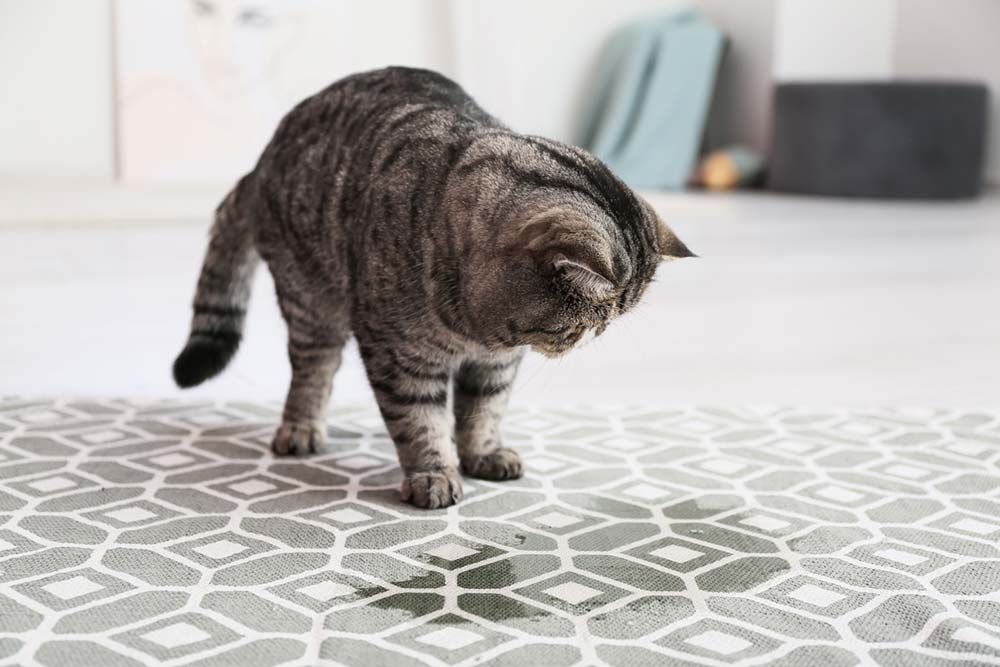
Cats can develop urination problems in a number of ways, but the most common urinary problem to plague cats are UTIs. Urinary tract infections are caused by bacteria, and if your cat is in a dirty place or their litterbox isn’t being properly maintained a UTI is likely. Other health conditions that can cause urinary problems include:
- Feline lower urinary tract disease (FLUTD)
- Bladder stones
- Tumors on bladder
- Cystitis (inflammation of bladder lining)
All of these could be serious, making it clear why your vet should be your first call when your cat pees on you.
Authors
-
by
-

-