At a glanceWhat is ascites? Ascites is the accumulation of fluid in the peritoneal cavity, which causes abdominal swelling. What causes ascites in cats?
|
Ascites in Cats (Fluid in the Abdomen)

Cat health articles. Browse our health collection for common and uncommon cat health issues.
At a glanceWhat is ascites? Ascites is the accumulation of fluid in the peritoneal cavity, which causes abdominal swelling. What causes ascites in cats?
|

Blood pressure is the force in which the blood is exerted against the walls of the arteries in the body. Think of your arteries as a pipe, for cats with high blood pressure, the blood travels through these pipes at a higher pressure than normal.
There are two readings from blood pressure tests:
High blood pressure is an under-diagnosed disease that can lead to significant health problems. Senior cats should have their blood pressure checked every 6 months.

Most broken bones which affect cats are due to trauma, such as being hit by a car or a fall from a height. Other causes of broken bones in the leg include bone infection, cancer and hormonal imbalances which weaken the bone.
The most common bone breakages seen in cats is a broken pelvis, broken legs, and broken tail. This article refers to broken legs, for more information on broken pelvis in cats, read here.

Technically no, they don’t catch colds as humans do. Human colds are caused by the rhinovirus and are host specific. Cats do catch upper respiratory infections though (also known as cat flu), which have similar symptoms to colds that we get.
The two main viruses which are responsible for 80% of upper respiratory infections in cats are “feline herpes” and “calicivirus”. Other pathogens include chlamydia, bordetella, and mycoplasma.
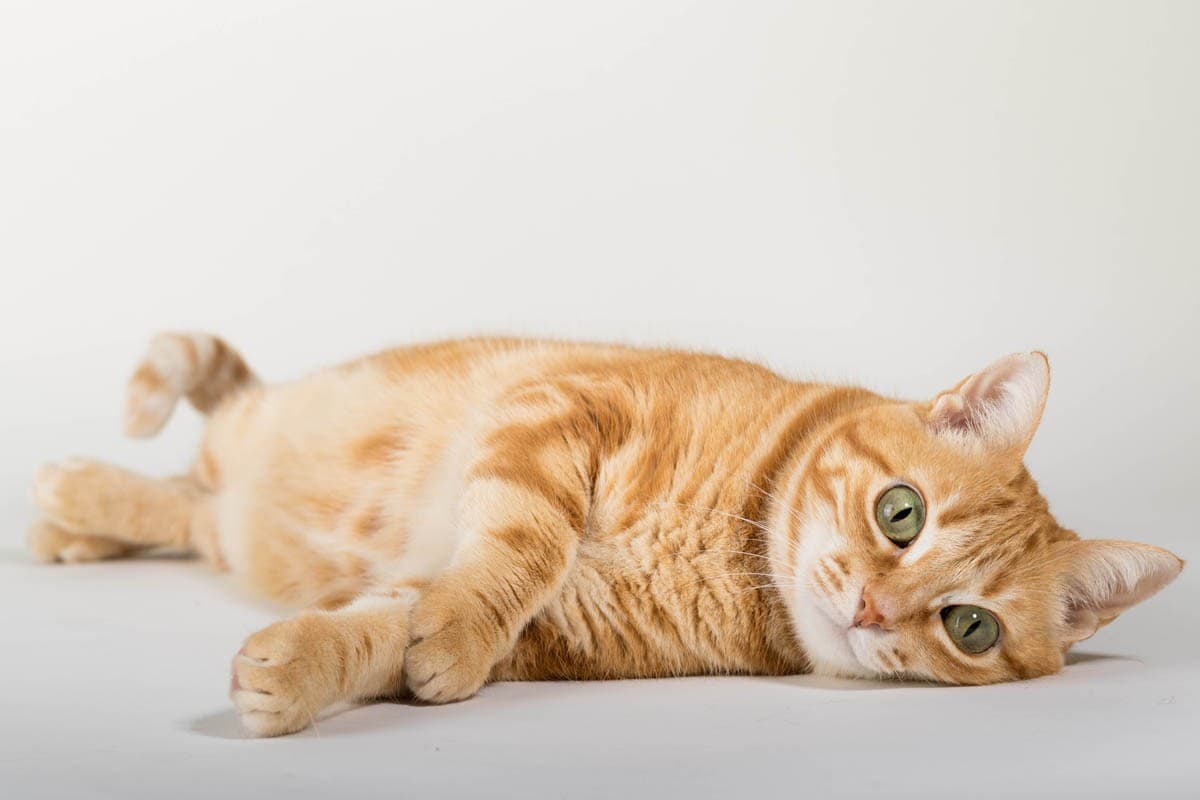
Acute diarrhea is the sudden onset of loose or watery stools lasting up to 14 days. Cats with diarrhea may pass more than the usual amount of feces, defecate more frequently, stools may start solid and turn watery.

Cats are known for their self-sufficiency and relatively low care, and that extends to feline pregnancy too. However, there are certain areas in which the future cat mum (known as a queen) will need a little more care.

All cats should be on a regular worming schedule regardless of whether they are indoors only, indoor/outdoor, pregnant or lactating. Female cats can pass on common parasitic worms to their kittens both in-utero and through the milk during nursing which means it essential to ensure a regular worming regime is carried out both during pregnancy and lactation.
Common parasitic worms include tapeworm, roundworm, hookworm and heartworm.

Kitten teething at a glance
|

Blastomycosis is a systemic infection caused by the dimorphic microfungus Blastomyces dermatitidis, which is present in moist soil and areas of thick decaying matter such as river banks, lakes, swamps, forests, and woods. It is most prevalent in the mid-Atlantic, north-central and Ohio-Mississippi river valley areas. Fortunately, cats are more resistant to the disease than dogs and humans.
Immunocompromised cats may be at increased risk of catching this disease.
The fungus comes in two forms:
There is no breed or sex predilection; the disease is most commonly see in cats between 2 and 7 years of age.

Aspergillosis is a disease caused by fungi of the genus Aspergillus which is present on dead leaves, compost heaps, soil and the air. The fungus typically affects the nasal cavity, respiratory system or digestive tract of the cat and in some cases, the spores can also trigger an allergic reaction in the cat.
The most common types to affect cats are Aspergillus fumigatus and Aspergillus terreus.