
Also known as a runny nose or postnasal drip, nasal discharge is a common disorder in cats and is typically a sign of an underlying condition. Nasal discharge may be clear (serous), grey/cloudy (mucoid), thick and green (purulent) or bloody. It can be acute or chronic and affect one or both nostrils.
Cat Health Collection
Cat health articles. Browse our health collection for common and uncommon cat health issues.
Cruciate Ligament Rupture in Cats

What is a cruciate ligament rupture?
The cruciate ligament is a pair of ligaments that form an X shape within the knee of the hind leg. These ligaments attach the femur (thigh bone) with the tibia (shinbone), the long bones above and below the knee joint (which is known as the stifle joint in quadruped/four-footed animals).
Pneumonia in Cats: Causes, Symptoms and Treatment

What is pneumonia?
Pneumonia is an infectious/inflammatory disorder of the lung parenchyma. The lungs are filled with thousands of tiny bronchi, which end in smaller sacs known as alveoli which contain tiny blood vessels. Oxygen is added to the blood and carbon dioxide removed via the alveoli. Pneumonia causes these alveoli to fill with pus and fluids which affect the lung’s ability to exchange gases.

Antibiotics For Cats

What are antibiotics?
Antibiotics are a type of drug used in the treatment and prevention of bacterial infections as well as, some fungal and parasitic infections. They come in two forms, bacteriostatic which stop the bacteria from reproducing or bacteriocide which kills the bacteria.
Myelodysplasia in Cats

Myelodysplasia at a glanceAbout: Myelodysplasia is a group of diseases caused by a dysfunction of blood cell production in the bone marrow. It can affect red or white blood cells and platelets. Causes: FIV and FeLV, exposure to toxins such as lead, chemotherapy, copper deficiency and myeloid leukemia. In most cases, it will not be possible to determine the cause. Symptoms: There can be a variety of symptoms depending on the cells affected.
Diagnosis: Complete physical examination, accompanying symptoms and history. A bone marrow biopsy under a general anesthetic can confirm the diagnosis. Treatment: Blood transfusions, antibiotics (where needed), hematopoietic growth factors, immunosuppressive drugs, low dose chemotherapy. The only cure for myelodysplasia is a bone marrow transplant (rare). |
Malassezia in Cats

What is Malassezia? Malassezia pachydermatis is a common yeast that is a normal part of the flora (microenvironment) of the superficial layers of both human and animal skin. The organism usually lives on the skin, ear canals, oral cavity and body orifices (vagina and anus) in low numbers where it usually causes no harm. In … Read more
Do Cats Fart? All About Flatulence in Cats

Do cats fart?
Yes, cats fart, in fact, all mammals fart. Farting, also known as flatulence refers to the expulsion of intestinal gases from the anus.
The unpleasant smell comes from intestinal gas which occurs when bacteria in the cat’s colon break down food. This gas build-up, known as endogenous gas is expelled via the anus.
While all cats fart, but excessive farting has an underlying cause that will need to be investigated.
Dilated Pupils in Cats: Our Veterinarian Shares What to Do
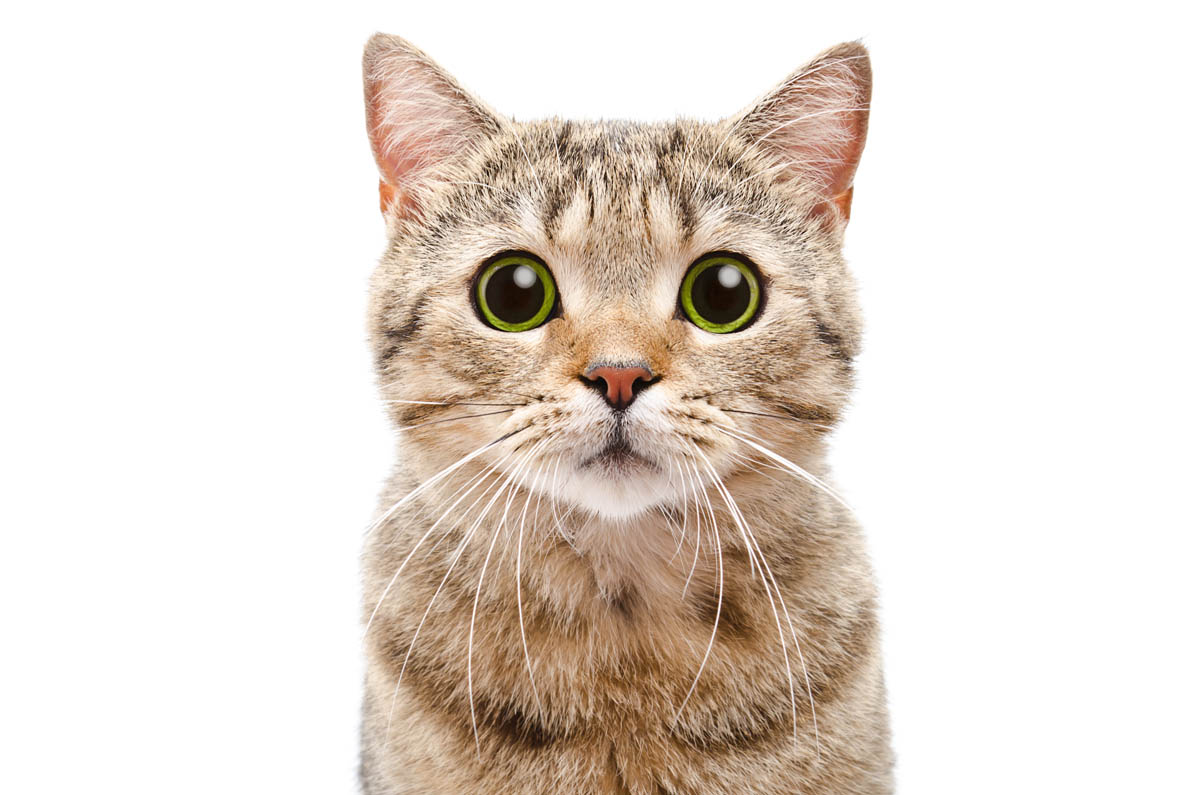
The pupil is the black slit/circular shape in the middle of the cat’s iris (the colored part of the eye). Pupils control the amount of light entering the eye by dilating (becoming large) and constricting (becoming small/slit-like). Cats’ eyes are somewhat unique in that their pupils are vertical – so when they constrict, there is … Read more
Lyme Disease in Cats

What is Lyme disease?
Lyme disease is a tick-borne disease that affects humans, dogs, cats and other mammals. It is caused by a bacteria known as Borrelia burgdorferi. Infection occurs via the bite of a tick, which carries the bacteria.
Heart Disorders in Cats

The heart is a part of the circulatory system which is responsible for transporting oxygen around the body. It is susceptible to several disorders that may be congenital (present at birth) or develop later in life.