Feline Hyperesthesia (Rolling Skin Disease)

Feline hyperesthesia

What is feline hyperesthesia?

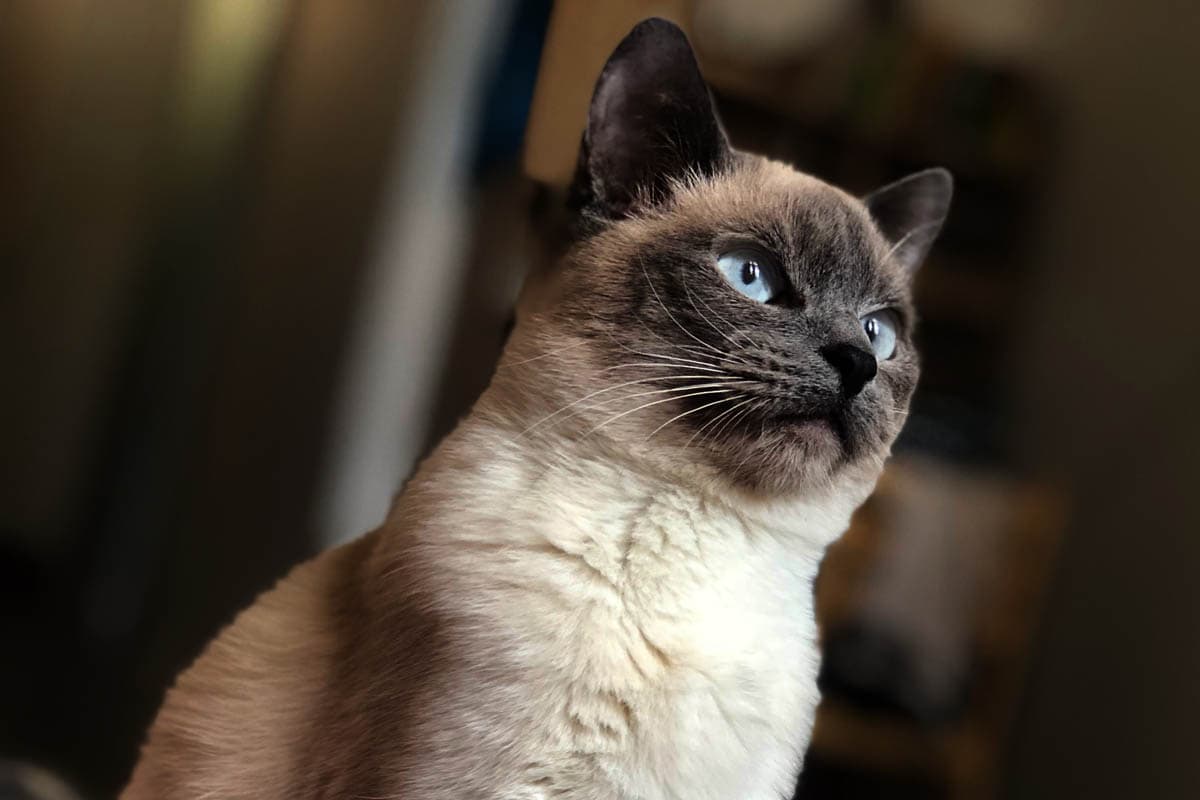
Feline hyperesthesia is a somewhat mysterious condition characterised by unusual behaviour which may include: rippling skin along the back, sudden bouts of frantic biting and licking at the tail, pelvis or flank, eyes wide open, dilated pupils and aggression. During an attack, your cat will behave as if he is reacting to hallucinatory stimuli.

The condition appears to start in early adulthood, and there is a higher incidence in Siamese, although it can develop in any cat.

The word hyperesthesia means increased sensitivity to touch, and this perfectly describes a unique disorder in felines known as feline hyperesthesia syndrome. Other names for the condition include twitchy cat syndrome, twitch-skin syndrome, and self-mutilating syndrome.

Read more

Twitching in Cats

Twitching in cats

At a glance

  • What is twitching? A twitch is a short and sudden jerky movement caused by the involuntary contraction of muscles.
  • Causes: Electrolyte imbalances, certain medications and poisons, thiamine deficiency, feline hyperesthesia, poisons such as pyrethrin, inflammation of the brain, calcium deficiency.
  • Treatment: Treatment will depend on the underlying cause.

What is twitching?

Also called fasciculation, twitching is the minor contraction of muscles, in cats, it commonly occurs in the whiskers, nose and tail, but it can happen in any location. The most common causes are underlying cerebellar or neuromuscular diseases.

Read more

Cowpox Virus in Cats

Cowpox in cats

What is cowpox?

Cowpox is a rare viral skin infection caused by the cowpox virus, a member of the Orthopoxvirus family and a close relative of the now eradicated smallpox virus, which was responsible for the deaths of between 200 – 300 million people in the 20th century.

Read more

Limping (Lameness) in Cats

Limping is an abnormal stance caused by a dysfunction of the cat’s musculoskeletal system which is made up of bones, muscles, ligaments, tendons, joints, and cartilage.

Lameness can be acute (sudden onset), chronic (long-term), or intermittent (coming and going). The location of the limp, as well as its frequency, can narrow down the possible cause.

Read more

Poisoning in Cats – Symptoms and Treatment

Poisoning in cats

Poisoning at a glance

  • Poisoning is a life-threatening emergency that requires immediate veterinary care.
  • Common poisons include human medications, insecticides, household cleaners, plants and rodenticides.
  • Symptoms can vary but may include vomiting, diarrhea, drooling, confusion, lethargy, unsteady gait.
  • Treatment depends on the type of poisoning but may include gastric decontamination (induce vomiting/pump the stomach), activated charcoal to prevent further absorption, toxin-specific antidotes, fluid therapy and supportive care. The earlier your cat receives treatment, the better the outcome.

Read more

Kitten and Cat Vaccinations

Cat vaccination schedule

Vaccinations have significantly reduced the incidence of several infectious diseases over the past few decades. They work by introducing either a modified live vaccine that contains viruses that have been altered so that they are no longer able to cause disease, or a killed disease-causing organism (virus or bacteria), which stimulates the immune system, making it better able to defend against the disease.

Read more

Cat Eye Discharge

Eye discharge in cats

At a glance

Eye discharge is an excessive amount of discharge from the eye, which can be crusty, mucousy or watery. It is always a sign of an underlying issue and can affect one eye or both eyes.

Causes:

  • Conjunctivitis
  • Foreign body
  • Cat flu
  • Blepharitis
  • Stye
  • Dry eye
  • Corneal ulcer
  • Blocked tear ducts
  • Uveitis
  • Allergy

Treatment: The goal of treatment is to find and treat the underlying cause.

Read more

Bland Diet For Cats With Vomiting and Diarrhea

Bland diet for sick cats

What is a bland diet?

A bland diet is a short-term diet typically consisting of two or three easy-to-digest foods used to rest the gastrointestinal tract. It is the feline equivalent of the BRAT diet  (bananas, rice, apple sauce, and toast). The bland diet decreases peristalsis, or the contraction of the smooth muscles of the gastrointestinal tract. The limited diet allows the digestive system to heal before introducing more difficult-to-digest foods. 

Your veterinarian may recommend a cat be put on a bland diet after a recent bout of sickness affecting his gastrointestinal tract, has a medical condition that causes nausea, or another condition that needs easily digestible food. 

Read more