Bird of Paradise is Toxic to Cats: A Vet Shares What to Do

Is bird of paradise toxic to cats?

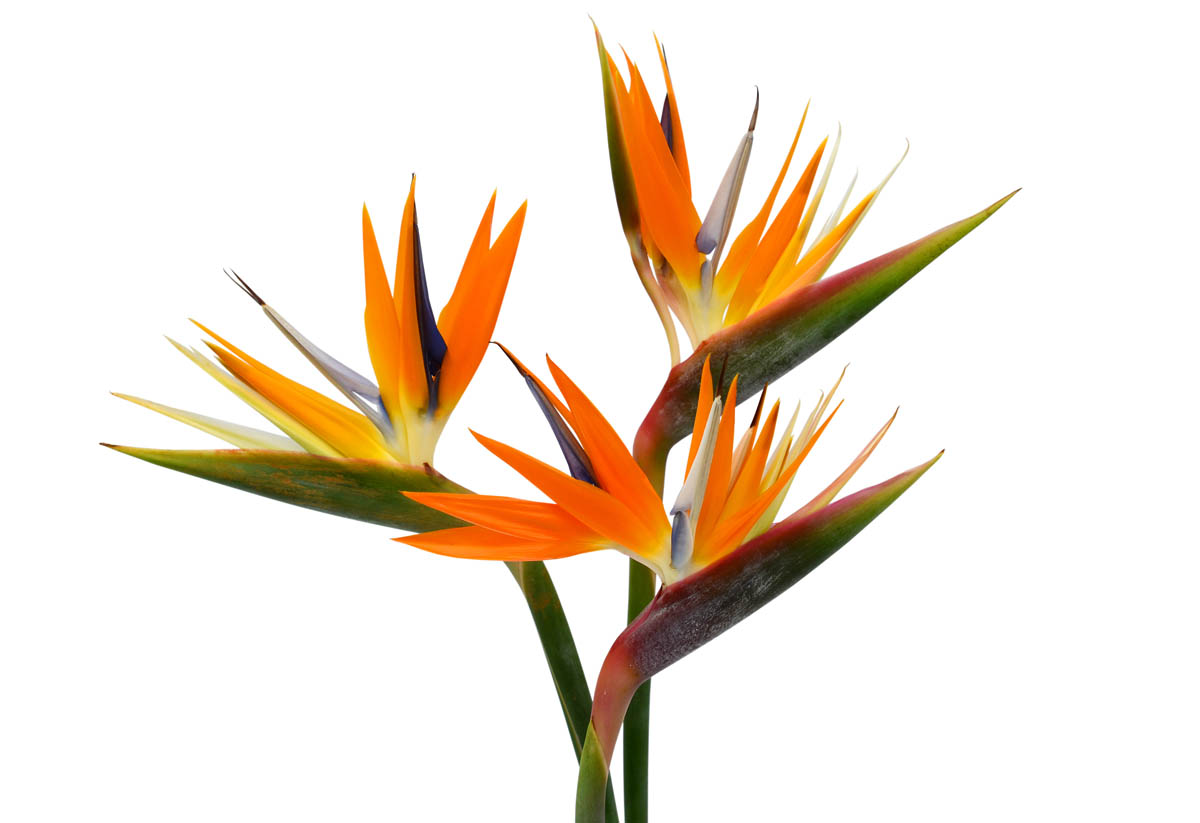
What is a bird of paradise? (Strelitzia reginae) Family: Strelitziaceae Scientific name: Strelitzia reginae Common names: Bird of paradise, Crane flower, Bird’s tongue flower Plant type: Herbaceous perennial Bloom time: Late winter to early spring Toxic parts: Mostly the fruit and seeds Toxicity: Mild Toxic principle: Gastrointestinal irritants – tannins Bird of paradise is a flowering perennial native to South Africa which is … Read more

Is Bird’s Nest Fern Toxic to Cats? Our Vet Explains

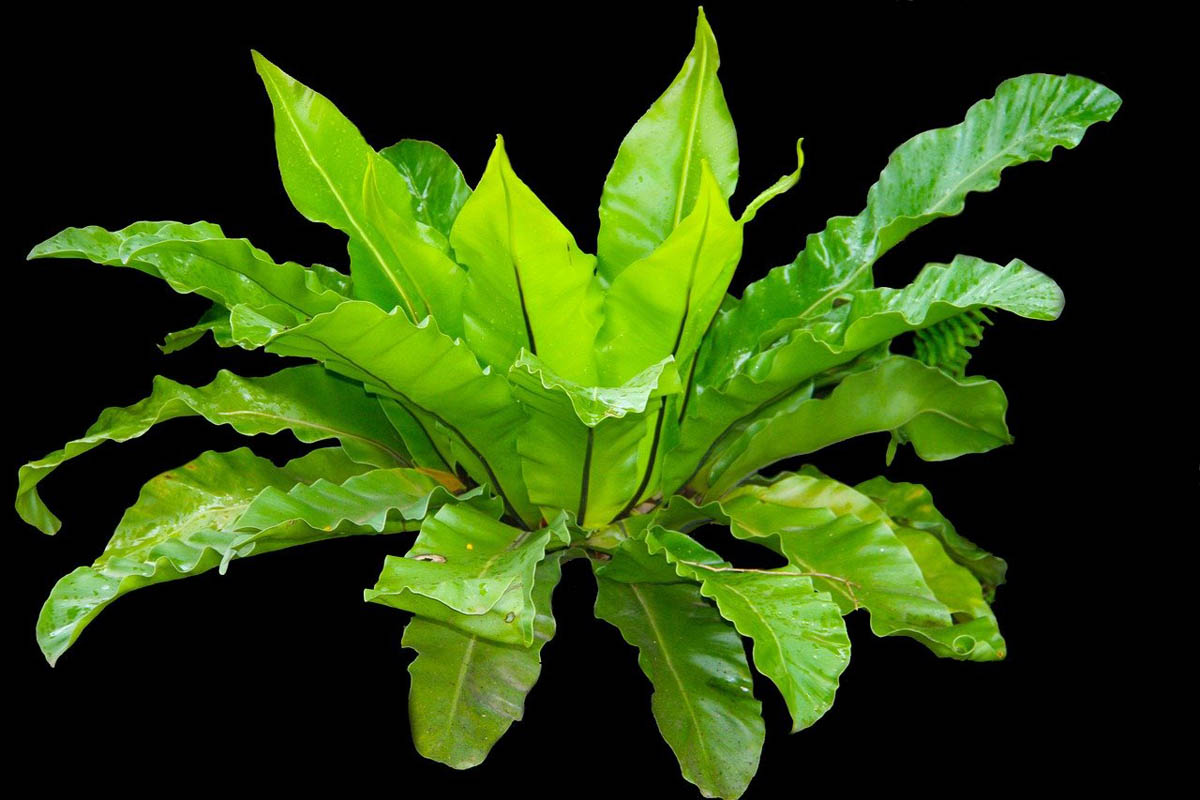
Is bird's nest fern toxic to cats?

What is a bird’s nest fern? Family: Aspleniaceae Botanical name: Asplenium nidus Common names: Birds nest fern, Bird’s nest fern, bird’s-nest fern, nest fern, bird’s nest spleenwort, wild birds nest fern, new world birds nest fern Plant type: Perennial Toxicity: Non-toxic Toxic parts: – N/A Severity: – N/A Toxic principle: – N/A Bird’s nest fern is a species of fern native to tropical … Read more

Is Dettol Toxic to Cats? A Veterinarian Explains

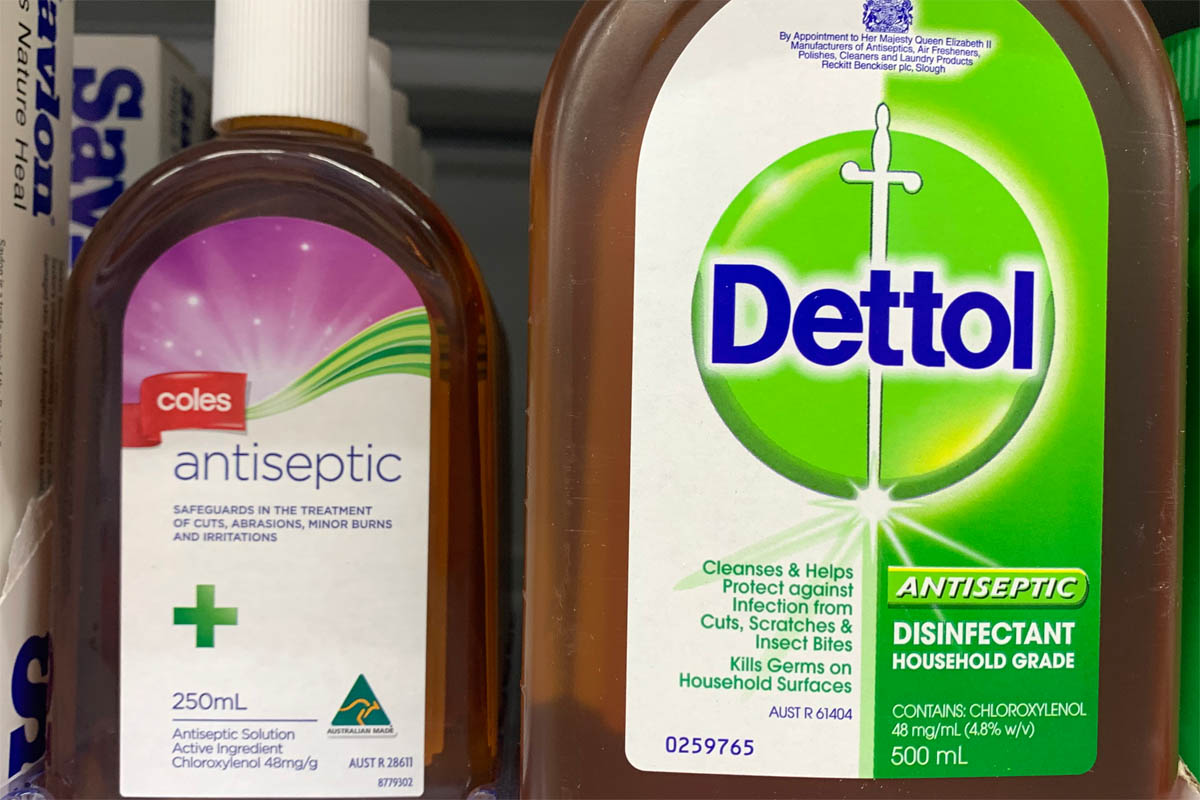
Is Dettol toxic to cats?

Is Dettol toxic to cats? 

Dettol is toxic to cats, the active ingredient is chloroxylenol, a phenol that is a common ingredient in antiseptics, creosote, germicides, cleaners, and disinfectants. Phenols are locally corrosive and cause necrosis of the skin, mucous membranes, and esophagus, central nervous system stimulant and depressant, kidney and liver damage.

The major sites of metabolism are the gastrointestinal tract, lungs, liver and kidneys. Cats lack UDP-glucuronosyltransferase (UGT) enzymes, including UGT1A6 and UGT1A9 necessary to metabolize phenols. Their accumulation in the liver and kidneys results in liver damage and renal tubular necrosis.

Read more

Pillow Foot in Cats: Our Vet Shares What to Do

Plasma cell pododermatitis (pillow foot) in cats

What is plasma cell pododermatitis (Pillow Foot) in Cats? Also known as pillow foot, feline plasma cell pododermatitis (FPP) is an uncommon autoimmune disorder in cats characterized by inflammation of the paw due to infiltration of plasma cells (a type of white blood cell known as a plasmacyte that secretes antibodies in response to infection). One pathologist searched … Read more

Is Shamrock Plant (Oxalis) Toxic to Cats? A Vet Explains

Is oxalis toxic to cats?

What is oxalis? Family: Oxalidaceae Botanical name: Oxalis spp. Common names: Shamrock plant, Wood sorrel, False shamrock,  Wood plant, Good luck plant, Sorrel, Love plant Plant type: Perennial Toxicity: Toxic to cats Toxic parts: All parts Severity: Moderate Toxic properties: Oxalic acid (soluble calcium oxalate) Oxalis is a large genus of flowering perennials comprising of … Read more

How To Remove Fleas From Kittens [Veterinarian Advice]

Removing fleas from young kittens

Medically reviewed by Dr. Sam Kovac BVSc (Merit) and Dr. Paula Simons DVM

Fleas are a common external parasite that feeds on the blood of their host. Their flattened body, a hard exoskeleton, and backward-facing hairs allow the flea to burrow through the fur to the skin where they feed on the host’s blood using specialized mouthparts. Young kittens are at risk because of their small size and blood volume, which puts them at risk of anemia (low red blood cell count). Most flea products are toxic to very young kittens and cannot be used until 6-8 weeks.

Read more